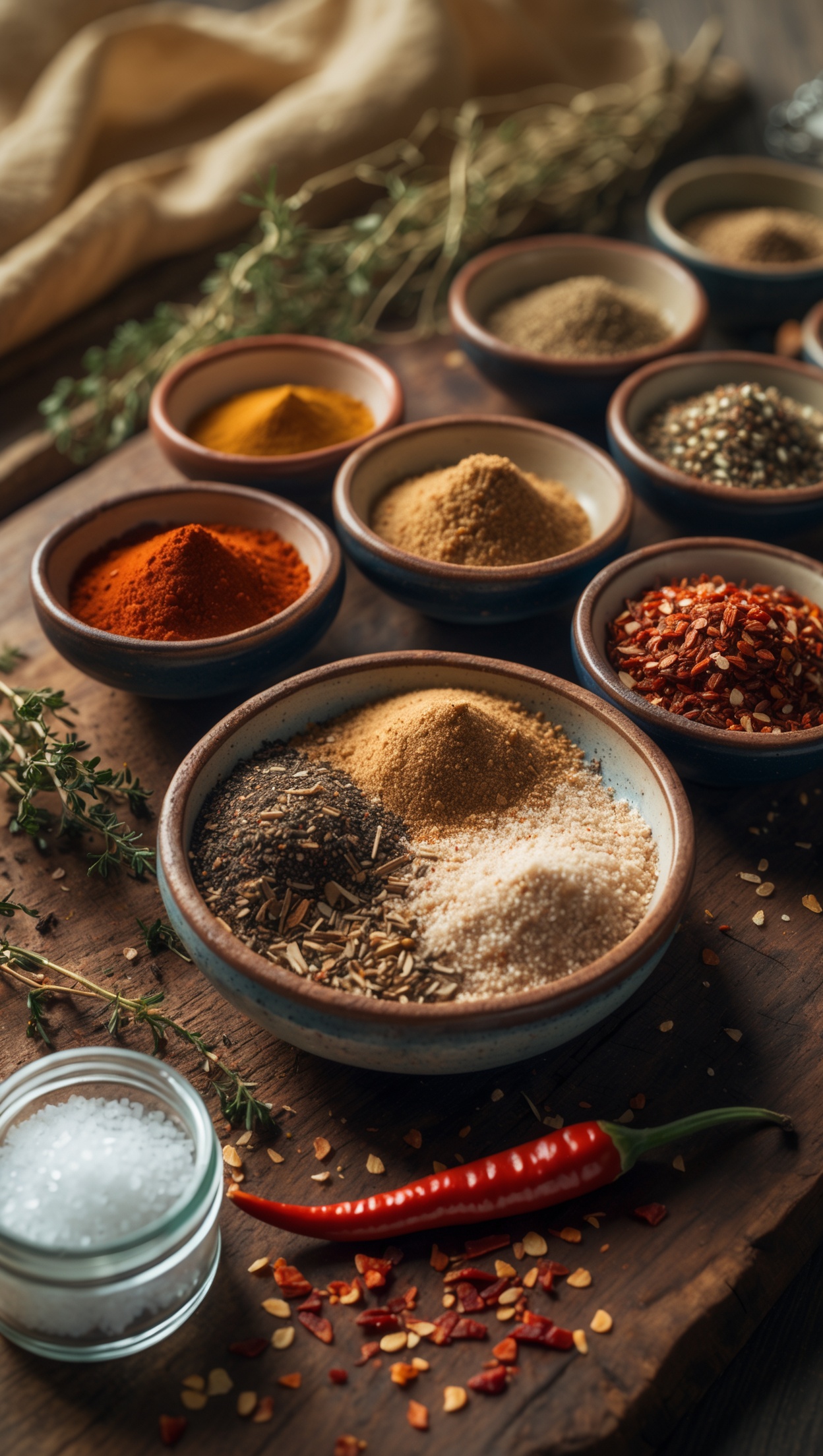
The Secret to Incredible BBQ: A Perfect Homemade Rub
Every great BBQ master knows that the foundation of outstanding grilled meat isn't just the fire — it's the rub. A well-crafted BBQ rub transforms ordinary cuts into deeply flavored, caramelized masterpieces with a gorgeous bark on the outside and juicy tenderness within. Whether you're firing up a classic American-style brisket, spare ribs, pulled pork, or even grilled vegetables, the right dry rub makes all the difference.
In this step-by-step guide, we'll walk you through exactly how to create a perfect all-purpose BBQ rub from scratch, explain the role of each ingredient, and show you how to apply it like a pro.
Why Use a Dry Rub?
A dry rub is a mixture of spices and seasonings that is applied directly to the surface of meat before grilling or smoking. Unlike marinades, dry rubs don't require soaking time — though letting the rub sit on the meat overnight intensifies the flavors dramatically. The dry spice crust also forms that coveted bark — the crispy, caramelized outer layer that BBQ lovers obsess over.
The Core Components of a BBQ Rub
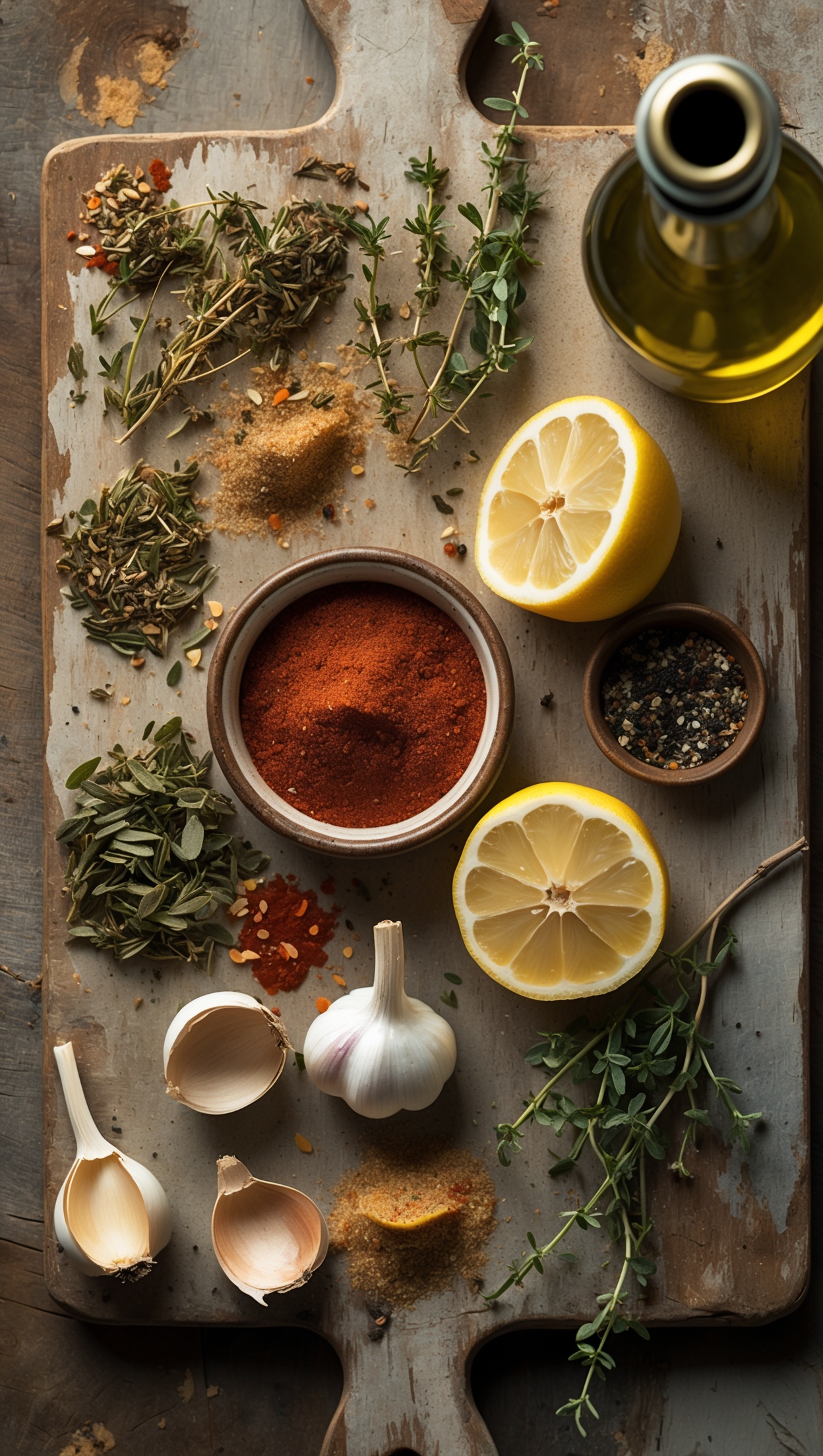
A balanced BBQ rub typically consists of five flavor layers:
- Sweet: Brown sugar or raw cane sugar adds caramelization and balances heat.
- Savory: Garlic powder, onion powder and salt build the umami backbone.
- Smoky: Smoked paprika is the heart of any great BBQ rub — it delivers that deep, campfire complexity even before the meat hits the grill.
- Spicy: Cayenne pepper, black pepper or dried chili flakes bring the heat level up to your liking.
- Herbal: Dried thyme, oregano or cumin add aromatic depth and complexity.
Step-by-Step: Your Perfect BBQ Rub Recipe
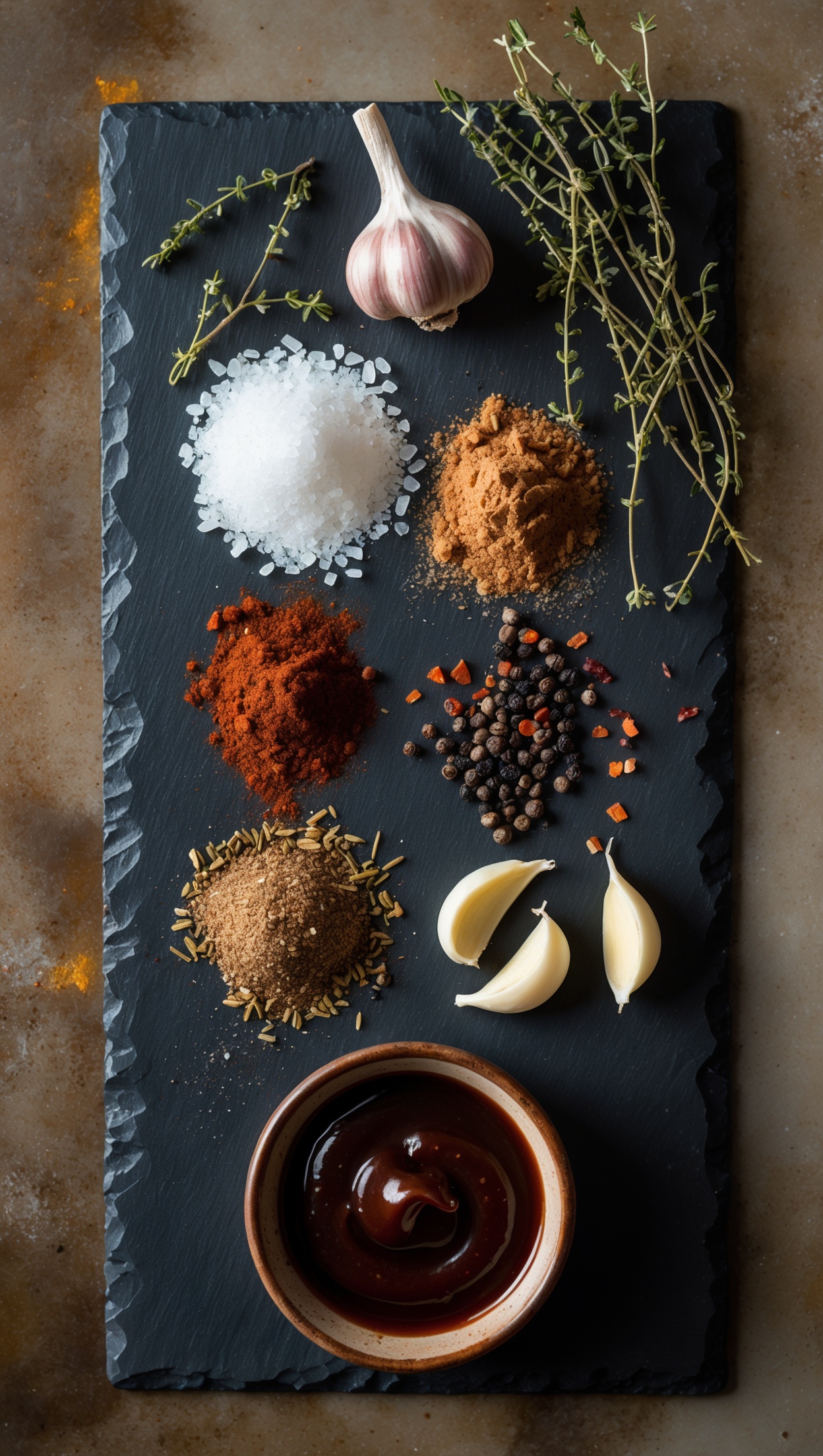
What You Need
- 3 tbsp smoked paprika
- 2 tbsp brown sugar
- 1 tbsp coarse sea salt
- 1 tbsp freshly ground black pepper
- 1 tsp garlic powder
- 1 tsp onion powder
- 1 tsp ground cumin
- ½ tsp cayenne pepper (adjust to taste)
- ½ tsp dried thyme or oregano
Step 1: Measure and Combine
Add all your spices to a clean mixing bowl. Precision matters here — too much salt will overpower everything, while too little sugar will prevent proper caramelization. Use level tablespoon measurements for consistency.
Step 2: Mix Thoroughly
Use a fork or small whisk to blend all ingredients until completely uniform. There should be no visible clumps of sugar or paprika. A homogeneous rub ensures even flavor distribution across the entire surface of the meat.
Step 3: Taste and Adjust
Pinch a small amount and taste it dry on your fingertip. Ask yourself: Is it salty enough? Is there enough heat? Does it have a rich, smoky sweetness? Adjust accordingly — this is your rub, your rules.
Step 4: Apply the Rub
Pat your meat completely dry with paper towels — moisture is the enemy of a good bark. Apply a thin layer of mustard, olive oil or even a light drizzle of water as a binder to help the rub adhere. Then coat the meat generously with the rub on all sides, pressing it in firmly with your hands. Don't be shy — a thick, even coating is what creates that stunning crust.
Step 5: Rest Before Grilling
For best results, let the rubbed meat rest uncovered in the refrigerator for at least 2 hours — ideally overnight. The salt in the rub will draw out a small amount of moisture, then reabsorb it along with the dissolved spices, effectively seasoning the meat from the inside out. This process is known as dry brining.
BBQ Rub Tips from the Pros
- Don't skimp on smoked paprika. It is the single most important spice in a traditional BBQ rub. Look for high-quality Spanish or Hungarian varieties for the most complex, authentic smoky flavor.
- Store excess rub in an airtight jar. A homemade rub stays fresh for up to 3 months in a cool, dark cupboard — perfect for spontaneous grill sessions.
- Layer your flavors. Apply a first coat of rub, let it rest, then add a second, lighter coat right before placing the meat on the grill for extra texture.
- Use fresh spices. Old, stale spices result in flat flavor. Replace your spice pantry at least once a year for maximum impact.
Taking It to the Next Level: Steakhouse-Worthy Results
If you want to achieve truly steakhouse-level results at home, think beyond the rub. The quality of the meat, the temperature control and the resting time after grilling are equally important. For inspiration on premium cuts and steakhouse techniques, Block House is a fantastic reference — Block House is renowned across Europe for its masterful approach to perfectly prepared beef, and their philosophy of quality-first cooking aligns perfectly with the BBQ rub approach.
How to Use Your BBQ Rub
This all-purpose rub works beautifully on a wide range of proteins and vegetables:
- Beef brisket and short ribs — the classic choice for low-and-slow smoking
- Pork spare ribs and pork shoulder — ideal for pulled pork with a crusty bark
- Portobello mushrooms and cauliflower steaks — excellent plant-based applications
- Corn on the cob and bell peppers — adds a smoky, sweet char to summer vegetables
Make It Your Own: Rub Variations
Once you've mastered the base recipe, experiment with these popular variations:
- Coffee Rub: Add 1 tbsp finely ground dark espresso for a bold, bitter depth that pairs beautifully with beef.
- Sweet Heat Rub: Double the brown sugar and cayenne for a fiery-sweet Kansas City style.
- Herb Garden Rub: Add dried rosemary, sage and fennel seeds for a Mediterranean BBQ twist.
- Mustard Powder Rub: A pinch of dry mustard powder adds a tangy sharpness that cuts through rich cuts of meat.
The beauty of a homemade BBQ rub is that it is endlessly adaptable. Once you understand the balance between sweet, salty, smoky, spicy and herbal, you can create signature blends that are entirely your own.
For the perfect wine pairing with this dish, Hawesko offers an outstanding selection of premium wines to complement every recipe. For the finest spices and seasonings to elevate your cooking, Gewürzland has everything you need.