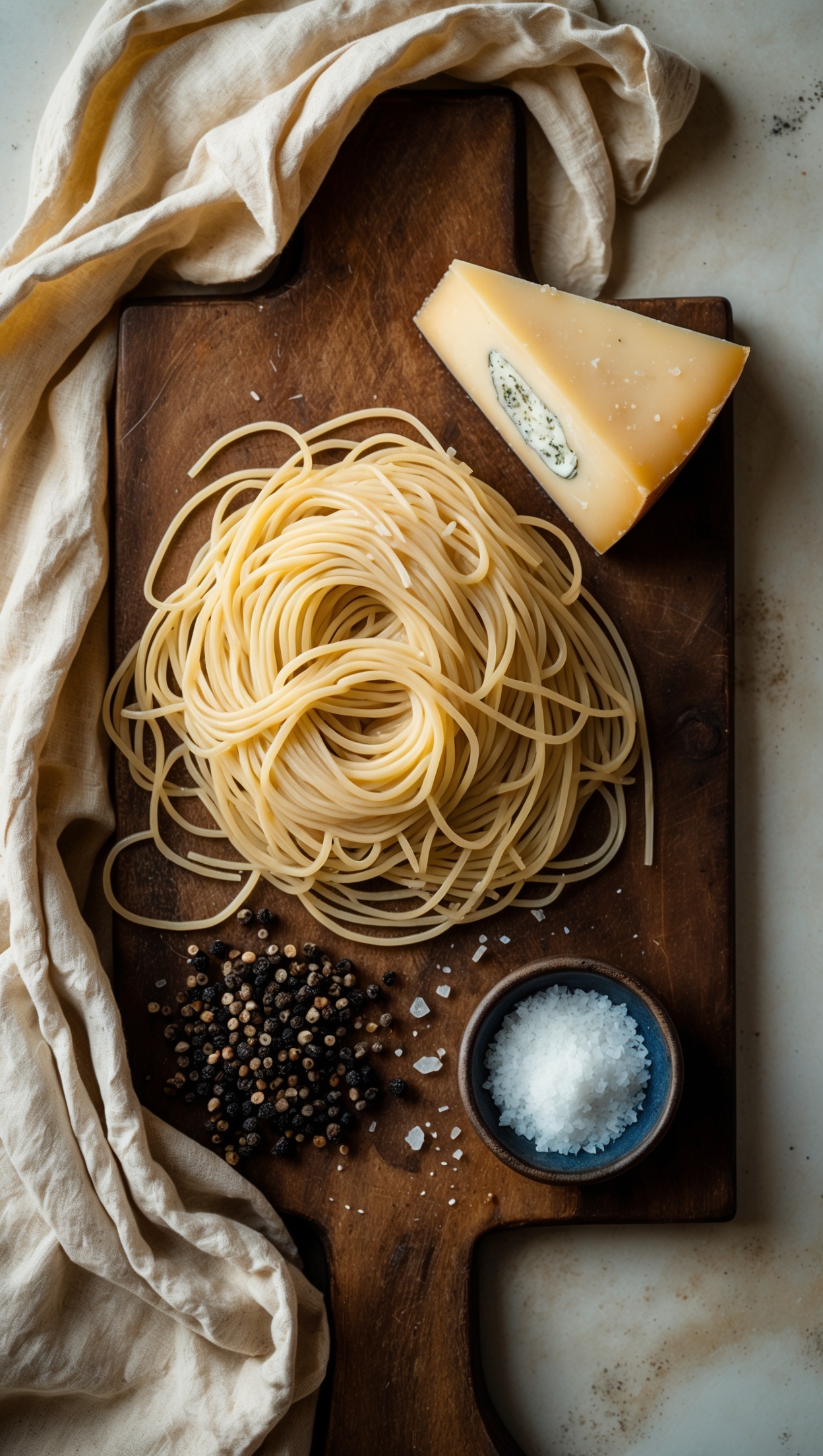
Authentic Spaghetti Cacio e Pepe — The Roman Classic You Need to Master
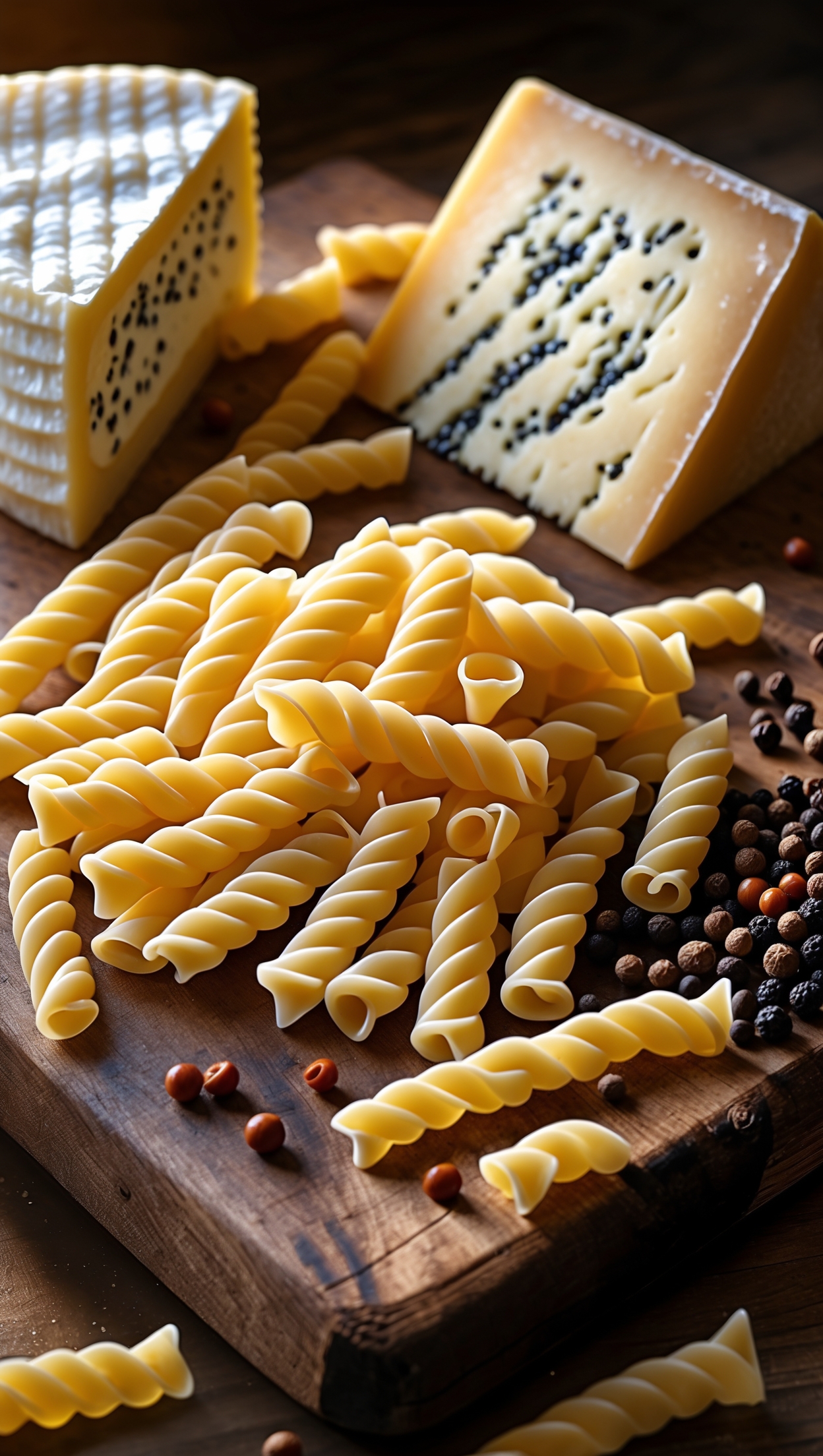
If there is one pasta dish that perfectly captures the soul of Roman cuisine, it is Cacio e Pepe. Translated simply as "cheese and pepper," this legendary recipe proves that extraordinary food does not require a long list of ingredients. With just spaghetti, Pecorino Romano, and freshly cracked black pepper, you can create a dish that is silky, bold, and deeply satisfying.
Do not let the simplicity fool you. Cacio e Pepe is famously tricky to get right. The cheese must emulsify into a creamy sauce — not clump, not turn grainy. But once you understand the technique, it becomes one of the most rewarding pasta recipes in your repertoire.
What Is Cacio e Pepe?
Cacio e Pepe originates from the Lazio region of Italy, particularly Rome. It was historically a dish of shepherds who could carry shelf-stable ingredients — aged pecorino and dried pasta — on long journeys. Today, it appears on the menus of the finest Roman trattorias and home kitchens alike.
The name comes from the Romanesco dialect: cacio meaning cheese (specifically Pecorino Romano) and pepe meaning pepper. Some modern versions add Parmigiano Reggiano for a milder flavour, but the authentic Roman recipe relies solely on Pecorino.
Ingredients (Serves 2)
- 200g spaghetti (or tonnarelli for a more traditional result)
- 100g Pecorino Romano, finely grated (use the finest side of your grater)
- 2 teaspoons whole black peppercorns, coarsely cracked
- Salt, for pasta water (use sparingly — Pecorino is already salty)
- Optional: 30g Parmigiano Reggiano for a slightly softer flavour
The Secret: Quality Pepper Matters
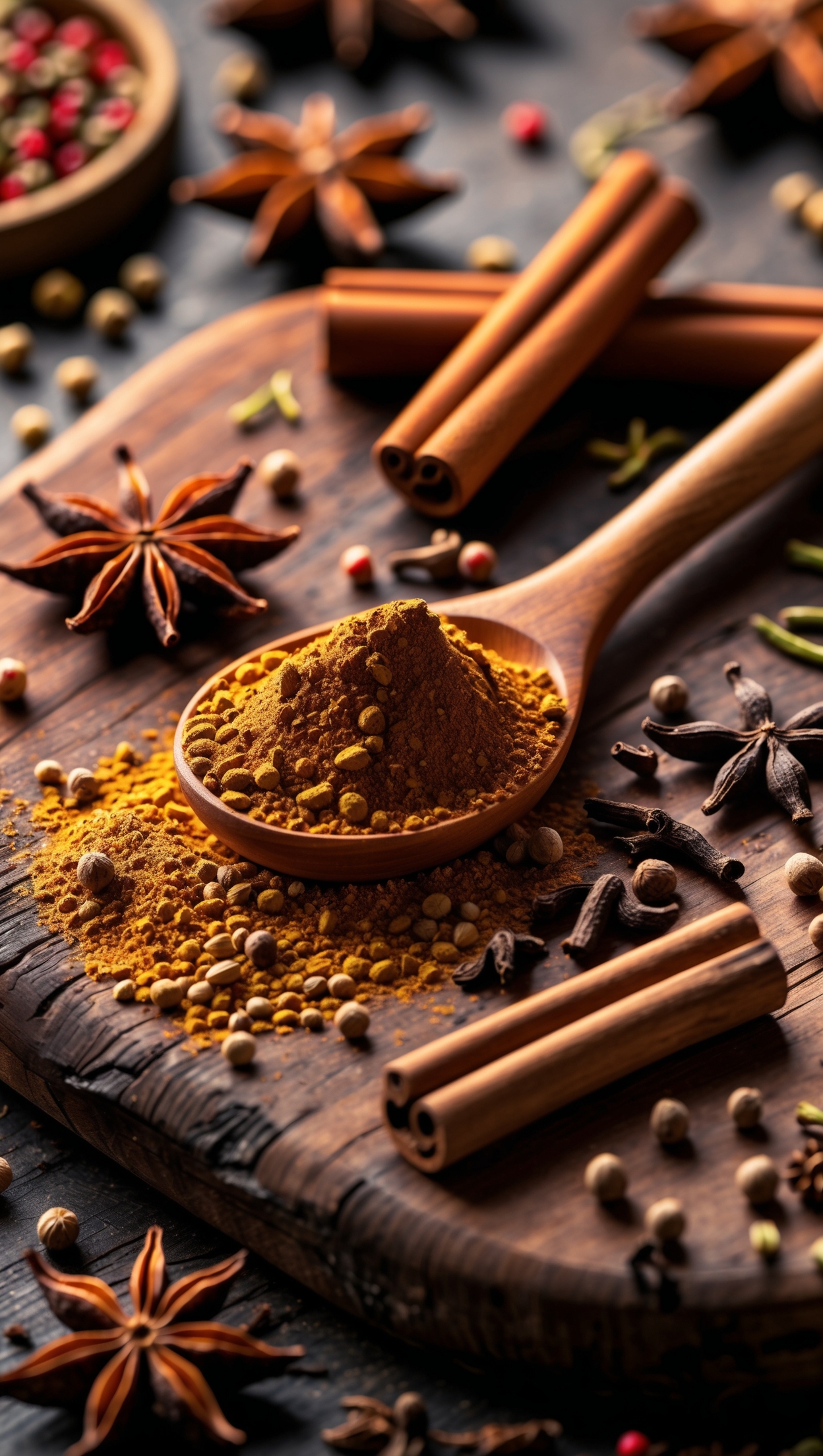
Black pepper is not a garnish here — it is a star ingredient. You need freshly cracked, aromatic peppercorns, not the pre-ground powder that has lost its oils and character. For this recipe, Tellicherry or Lampong black pepper varieties deliver the most complex, floral heat that truly makes the dish sing.
Step-by-Step Instructions
Step 1 — Toast the Pepper
Crack your peppercorns coarsely using a mortar and pestle or the base of a heavy pan. Add them to a large, dry skillet over medium heat and toast for 1–2 minutes until fragrant. Remove from heat and set aside.
Step 2 — Cook the Pasta
Bring a large pot of lightly salted water to the boil. Add the spaghetti and cook until 2 minutes before al dente. Before draining, reserve at least 200ml of starchy pasta water — this is the crucial element that brings the sauce together.
Step 3 — Create the Cheese Paste
While the pasta cooks, mix the finely grated Pecorino Romano with 3–4 tablespoons of cold pasta water in a small bowl. Stir vigorously until it forms a smooth, thick paste resembling cream cheese. This step prevents the cheese from seizing when it hits the hot pan.
Step 4 — Bring It All Together
Return the skillet with toasted pepper to medium-low heat. Add a ladleful of pasta water and let it bubble briefly. Add the spaghetti directly from the pot using tongs, allowing some pasta water to come with it. Toss vigorously for 1–2 minutes, then remove the pan from the heat entirely.
Add the cheese paste in two additions, tossing constantly and adding small splashes of pasta water as needed. The goal is a glossy, clinging sauce that coats every strand. Work quickly and keep the pan off direct heat to avoid scrambling the cheese.
Step 5 — Serve Immediately
Plate the spaghetti using tongs, twisting into a nest. Finish with an extra crack of black pepper and a light dusting of finely grated Pecorino. Serve at once — Cacio e Pepe waits for no one.
Tips for the Perfect Cacio e Pepe
- Grate the cheese very finely. Coarse grating causes lumps that will not emulsify properly.
- Never use pre-grated cheese. The anti-caking agents ruin the emulsion completely.
- Use less salt than usual in your pasta water. Pecorino Romano is intensely salty on its own.
- Keep the heat low when adding the cheese paste. High heat causes it to break and clump.
- Have extra pasta water ready. You may need more than you think to reach the right consistency.
Variations Worth Trying
Gricia — Cacio e Pepe with Guanciale
Add crispy rendered guanciale (cured pork cheek) to create Pasta alla Gricia, considered the ancestor of both Cacio e Pepe and Carbonara. It adds richness and a beautiful porky depth.
Vegetarian Boost
For extra umami without meat, stir in a small amount of white truffle oil at the end, or finish with a few shavings of fresh black truffle if the occasion calls for indulgence.
Wine Pairing
Cacio e Pepe pairs beautifully with crisp, dry white wines that can cut through the richness of the Pecorino. A classic Roman Frascati Superiore or a mineral-driven Vermentino from Sardinia are ideal companions. A light-bodied red like a young Cesanese del Piglio also works wonderfully if you prefer red wine.
For the perfect wine pairing with this dish, Hawesko offers an outstanding selection of premium wines to complement every recipe. For the finest spices and seasonings to elevate your cooking, Gewürzland has everything you need.