Authentic Vitello Tonnato Recipe — Easy & Delicious
Vitello Tonnato is one of Italy's most beloved classic dishes — a sophisticated yet surprisingly simple preparation of thinly sliced poached veal draped in a silky, tangy tuna-based sauce. Originally from the Piedmont region of northern Italy, this dish has graced the tables of Italian families for centuries, typically served as an antipasto or a light main course during warm summer months. Once you make it at home, you'll understand exactly why it has endured the test of time.
What Is Vitello Tonnato?
The name literally translates to "veal with tuna," and that combination might sound unusual at first — but trust the Italians on this one. The gentle sweetness of slow-poached veal pairs magnificently with a creamy, briny sauce built from high-quality tuna, anchovies, capers, lemon juice, and mayonnaise. The result is a dish that is at once rich and refreshing, elegant and easy to prepare ahead of time.
It is the ideal dish for entertaining because it is best made a day in advance, allowing the veal to absorb the flavours of the sauce fully. Serve it cold or at room temperature, garnished with extra capers and fresh parsley — and your guests will be thoroughly impressed.
Ingredients
For the Veal
- 800g veal topside or eye of round
- 1 medium carrot, roughly chopped
- 1 celery stalk, chopped
- 1 small onion, halved
- 2 bay leaves
- 6 whole black peppercorns
- 1 glass dry white wine
- Salt to taste
For the Tuna Sauce
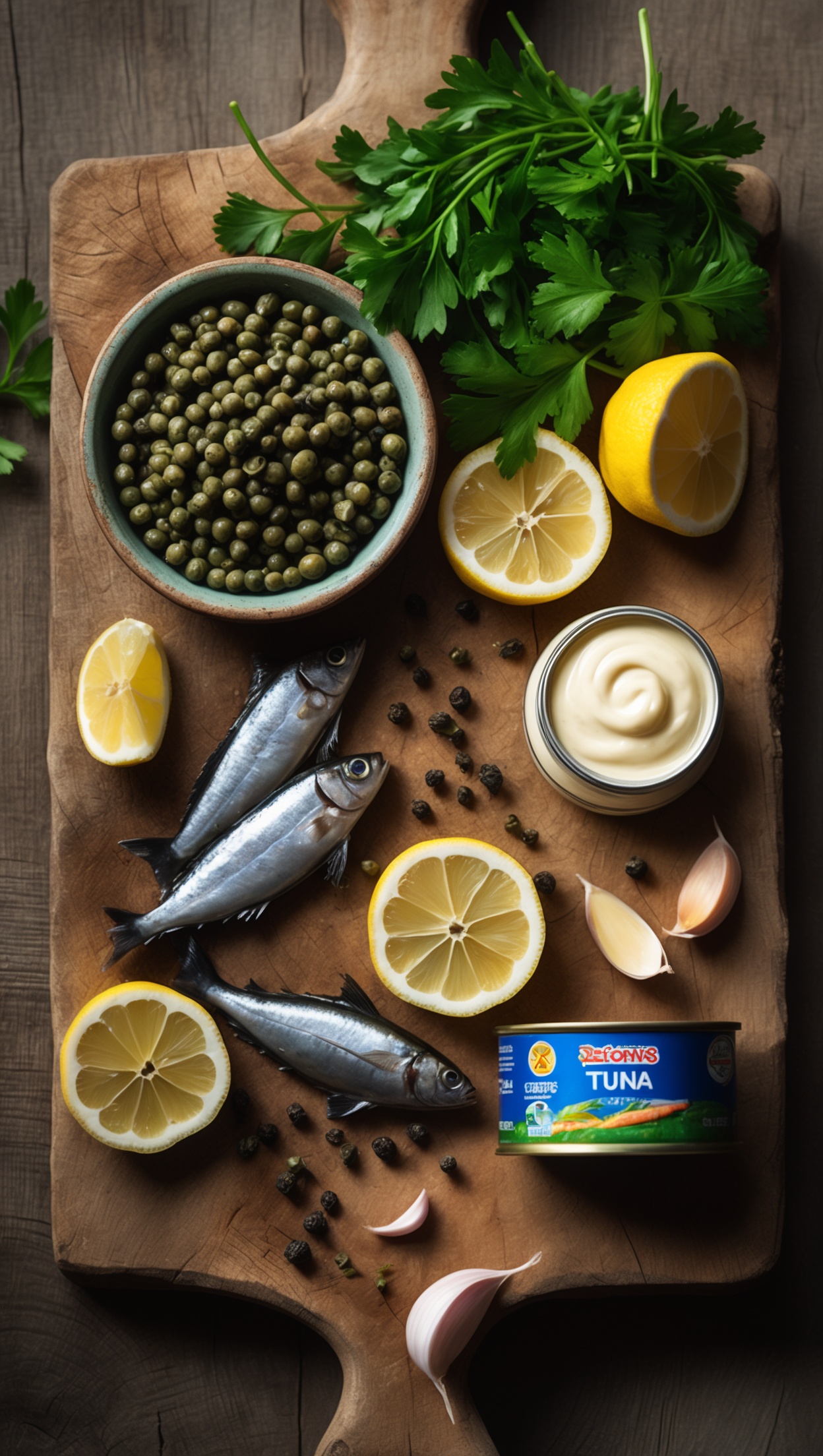
- 200g good-quality tuna in olive oil, drained
- 4 anchovy fillets in oil
- 2 tablespoons capers (plus extra for garnish)
- 2 tablespoons fresh lemon juice
- 150g good-quality mayonnaise
- 2–3 tablespoons of the reserved poaching broth
- Freshly ground black pepper
Step-by-Step Instructions
Step 1 — Poach the Veal
Place the veal in a large pot together with the carrot, celery, onion, bay leaves, peppercorns, white wine, and enough cold water to just cover the meat. Bring to a gentle boil, then reduce the heat to a bare simmer. Skim off any foam that rises to the surface. Cook for approximately 60–75 minutes, or until the veal is cooked through but still tender and moist. Do not overcook — the meat should remain pale and juicy inside.
Remove the veal from the broth and allow it to cool completely. Reserve about half a cup of the poaching broth. Once cooled, wrap the veal tightly in cling film and refrigerate for at least 2 hours, or overnight for best results. The cold meat will slice much more cleanly.
Step 2 — Make the Tuna Sauce
In a food processor or blender, combine the drained tuna, anchovy fillets, capers, and lemon juice. Blend until smooth. Add the mayonnaise and blend again until you have a uniform, creamy sauce. If the sauce is too thick, loosen it with a tablespoon or two of the reserved poaching broth until it reaches a consistency that coats the back of a spoon beautifully.
Taste and adjust seasoning — a pinch of freshly ground black pepper is usually all it needs. The anchovies and capers already provide plenty of salt.
Step 3 — Slice and Assemble
Using a very sharp knife or a meat slicer if available, carve the cold veal into thin, even slices — ideally no thicker than 3–4mm. Arrange overlapping slices on a large flat serving platter. Spoon the tuna sauce generously over the top, ensuring every slice is well covered. Garnish with whole capers, a few thin slices of lemon, and freshly chopped flat-leaf parsley.
Cover with cling film and refrigerate for at least 1 hour before serving. This resting time is not optional — it transforms the dish as the meat soaks up the sauce.
Tips for the Best Vitello Tonnato
- Quality tuna matters enormously. Use tuna packed in good olive oil rather than brine — it makes the sauce richer and more flavourful.
- Slice as thinly as possible. The thinner the slices, the more the sauce clings to the meat and the more elegant the presentation becomes.
- Make it ahead. This dish genuinely improves with time. Prepare it the evening before your dinner party for the best flavour.
- Get your spices right. The seasoning of both the poaching liquid and the sauce is crucial. For premium capers, high-quality sea salt flakes, and beautifully aromatic black pepper, Gewürzland offers a superb range of Mediterranean spices that will elevate every element of this dish.
Serving Suggestions
Vitello Tonnato is traditionally served as a starter, but it works wonderfully as a light main course in summer. Serve it alongside a crisp green salad, roasted cherry tomatoes, or warm crusty bread to mop up the extra sauce. A glass of well-chilled Italian white wine — such as a Gavi di Gavi or a Pinot Grigio from Alto Adige — is the classic pairing and makes the whole experience feel truly like a Piedmontese summer afternoon.
Variations Worth Trying
While the classic recipe is hard to beat, there are a few delightful variations you might enjoy exploring:
- Add hard-boiled egg yolks to the sauce for extra richness and a deeper golden colour.
- Incorporate a splash of brandy into the poaching liquid for a slightly more complex broth.
- Use turkey breast as a lighter alternative to veal — it takes the sauce just as well and is considerably more budget-friendly.
Storage
Vitello Tonnato keeps well in the refrigerator for up to 2 days, covered tightly. In fact, leftovers are often even more flavourful than the dish on the first day. Do not freeze — the texture of both the meat and the sauce will suffer considerably.
Whether you are hosting a formal dinner party or simply want to bring a little Italian elegance to your weeknight table, this authentic Vitello Tonnato recipe delivers every single time. Once you try the homemade version, there is truly no going back.
For the perfect wine pairing with this dish, Hawesko offers an outstanding selection of premium wines to complement every recipe. For the finest spices and seasonings to elevate your cooking, Gewürzland has everything you need.