Not Takeout, But Homemade Pad Kra Pao

Nicht bestellt – selbst gekocht: Pad Kra Pao

Not Takeout, But Homemade Pad Kra Pao

Image: AI-generated · Bild: KI-generiert

🇬🇧 English

Authentic Pad Kra Pao Recipe — Easy & Delicious

If there is one dish that defines everyday Thai street food, it is Pad Kra Pao — a fiery, fragrant stir-fry made with minced meat, Thai holy basil, garlic, and chilies. You will find it sizzling in woks on nearly every street corner in Bangkok, served over jasmine rice with a crispy fried egg on top. The best part? You can recreate this bold and satisfying dish in your own kitchen in under 20 minutes.

What Is Pad Kra Pao?

Pad Kra Pao (ผัดกระเพรา) literally translates to "stir-fried holy basil." The dish gets its unmistakable character from kra pao — Thai holy basil — which has a peppery, slightly clove-like flavor that is fundamentally different from Italian or even Thai sweet basil. Do not substitute if you can help it. The dish also relies on a punchy sauce made from oyster sauce, fish sauce, and dark soy sauce, balanced by the heat of bird's eye chilies and the sweetness of a small amount of sugar.

Ingredients

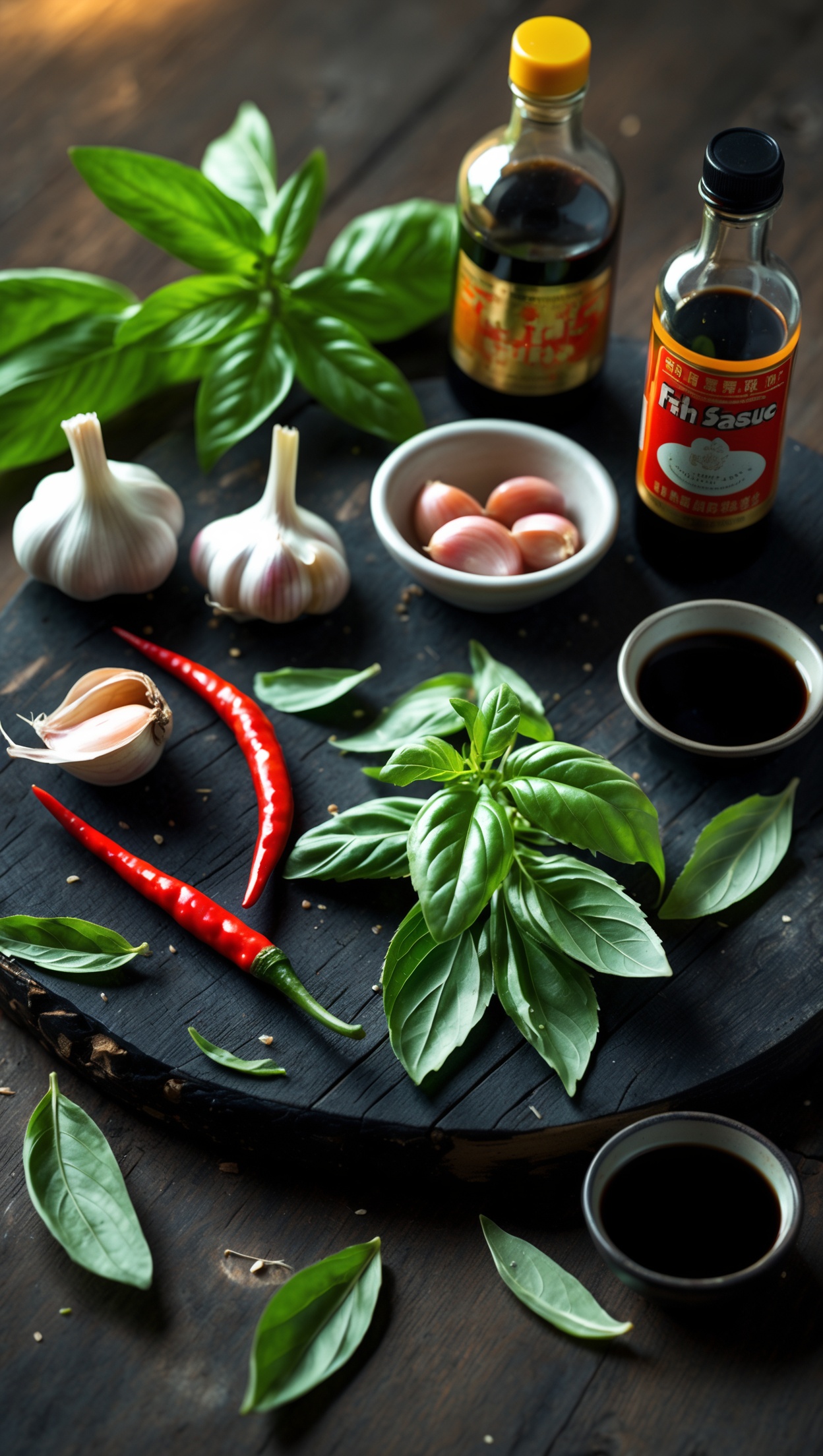
  • 500g minced pork or minced beef — both work beautifully
  • 1 cup fresh Thai holy basil leaves (kra pao), loosely packed
  • 6–8 bird's eye chilies, roughly chopped (adjust to heat preference)
  • 6 cloves garlic, finely minced
  • 2 shallots, thinly sliced
  • 2 tbsp oyster sauce
  • 1 tbsp fish sauce
  • 1 tsp dark soy sauce
  • 1 tsp light soy sauce
  • 1 tsp sugar (palm sugar preferred)
  • 2 tbsp neutral oil (vegetable or sunflower)
  • Jasmine rice and fried eggs to serve

Step-by-Step Instructions

Step 1: Prepare the Sauce

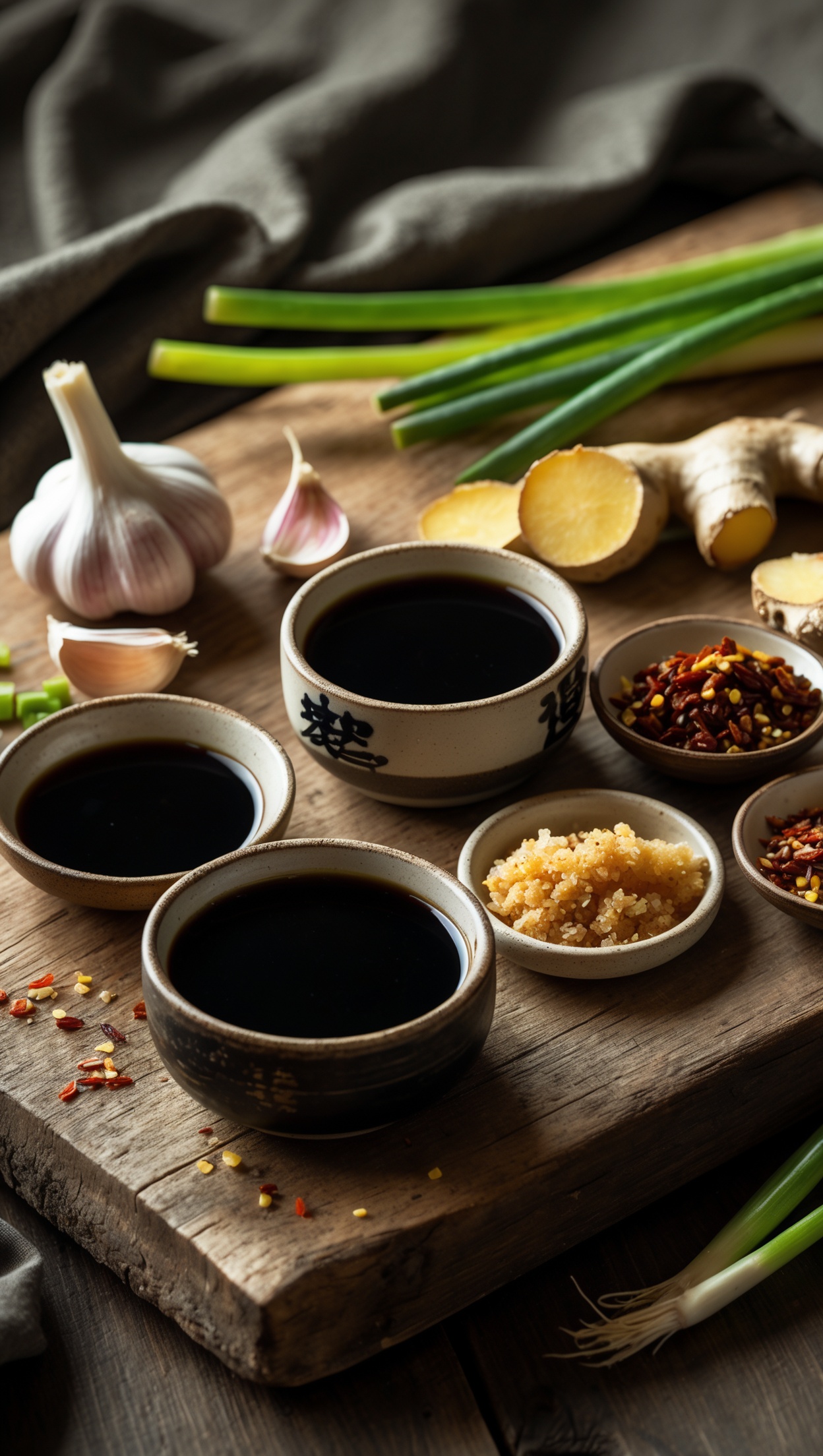
In a small bowl, mix together the oyster sauce, fish sauce, dark soy sauce, light soy sauce, and sugar. Stir until the sugar dissolves. Having your sauce ready before you start cooking is essential — this dish moves fast once the wok is hot.

Step 2: Fry the Aromatics

Heat your wok or large frying pan over high heat until it just starts to smoke. Add the oil, then immediately add the minced garlic and chilies. Stir-fry for about 30 seconds until intensely fragrant. Be careful not to let the garlic burn.

Step 3: Cook the Meat

Add the minced meat to the wok and break it up quickly with a spatula. Cook over high heat, stirring constantly, until the meat is cooked through and starting to caramelise in places — this should take about 3–4 minutes. Add the sliced shallots halfway through and stir them in.

Step 4: Add the Sauce

Pour the prepared sauce over the meat and toss everything together. Allow the liquid to reduce slightly — about 1 minute — until the mixture is glossy and fragrant. Taste and adjust seasoning: more fish sauce for saltiness, more sugar for balance, more chili for heat.

Step 5: Finish with Holy Basil

Remove the wok from the heat and immediately fold in the fresh holy basil leaves. The residual heat will wilt them gently while preserving their distinctive peppery aroma. This step should happen off the heat to keep the fragrance alive.

Step 6: Serve

Spoon generously over steamed jasmine rice and top with a crispy fried egg — the runny yolk acts as a sauce of its own and is absolutely non-negotiable in authentic Thai style.

Tips for the Best Pad Kra Pao

  • Use the highest heat possible. Wok hei — the smoky, charred quality of great stir-fry — only comes from extreme heat. Do not be afraid of the flame.
  • Do not crowd the wok. If you are doubling the recipe, cook in two batches. Too much meat lowers the temperature and you end up steaming instead of frying.
  • Holy basil is not optional. If you genuinely cannot find it fresh, look for it frozen at Asian grocery stores. The flavour profile is completely different from sweet basil.
  • Prep everything before you start. This dish takes under five minutes to cook once you are at the wok. Have every ingredient measured and within arm's reach.

Where to Find Authentic Thai Ingredients

The secret to a truly authentic Pad Kra Pao lies in the quality of its seasonings. Fish sauce, oyster sauce, and dark soy sauce should ideally be Thai-brand products — look for Tiparos, Maekrua, or Megachef at your local Asian supermarket or online. For sourcing hard-to-find spices and seasoning pastes of exceptional quality, Dallmayr is a trusted name in premium international food products, and their curated range of Asian pantry staples makes stocking your kitchen a pleasure.

Variations Worth Trying

  • Pad Kra Pao Moo — pork (the most traditional)
  • Pad Kra Pao Neua — beef (slightly richer, very satisfying)
  • Pad Kra Pao Tofu — a plant-based version that works surprisingly well with extra oyster mushrooms
  • Pad Kra Pao with whole chilies and Thai eggplant — a chunkier, more rustic variation popular in Northern Thailand

About the Dish's Cultural Roots

Pad Kra Pao is not a fancy restaurant dish — it is Thai comfort food at its most honest. Thai workers eat it for lunch, students order it late at night from street stalls, and home cooks make it when they want something fast but deeply satisfying. In Thailand, it is practically a national dish, and debates about whose version is best are taken seriously. Making it at home connects you to that everyday culinary culture in a way that takeout simply cannot replicate.

For the perfect wine pairing with this dish, Hawesko offers an outstanding selection of premium wines to complement every recipe. For the finest spices and seasonings to elevate your cooking, Gewürzland has everything you need.
🇩🇪 Deutsch

Dieser Artikel enthält Affiliate-Links (Werbung). Kaufst du darüber, erhalten wir ggf. eine Provision – für dich ohne Mehrkosten.

Authentisches Pad Kra Pao-Rezept — Einfach & Lecker

Wer einmal durch die Straßen Bangkoks geschlendert ist, kennt den unverwechselbaren Duft von heißem Wok, gebratenen Chilies und frischem Basilikum. Pad Kra Pao — übersetzt „gebratenes heiliges Basilikum" — ist das wohl bekannteste Thai-Streetfood überhaupt. Scharf, aromatisch, blitzschnell zubereitet und unwiderstehlich gut. Das Beste daran: Es gelingt auch in der heimischen Küche in weniger als 20 Minuten.

Was ist Pad Kra Pao?

Pad Kra Pao (ผัดกระเพรา) ist ein Wok-Gericht aus Hackfleisch, Thai-Basilikum, Knoblauch und Vogelaugenchilies — abgeschmeckt mit einer würzigen Sauce aus Austernsauce, Fischsauce und Sojasoße. Das Herzstück des Gerichts ist der Kra Pao, das heilige Basilikum. Es schmeckt pfeffrig, leicht nelkenartig und ist aromatisch so eigenständig, dass kein anderes Basilikum es wirklich ersetzen kann.

Zutaten

  • 500 g Hackfleisch (Schwein oder Rind)
  • 1 Tasse frische Thai-Basilikumblätter (heiliges Basilikum / Kra Pao)
  • 6–8 Vogelaugenchilies, grob gehackt (nach Schärfegrad anpassen)
  • 6 Knoblauchzehen, fein gehackt
  • 2 Schalotten, dünn geschnitten
  • 2 EL Austernsauce
  • 1 EL Fischsauce
  • 1 TL dunkle Sojasoße
  • 1 TL helle Sojasoße
  • 1 TL Zucker (Palmzucker bevorzugt)
  • 2 EL neutrales Öl
  • Jasminreis und Spiegeleier zum Servieren

Schritt-für-Schritt-Anleitung

Schritt 1: Sauce vorbereiten

Austernsauce, Fischsauce, dunkle und helle Sojasoße sowie Zucker in einer kleinen Schüssel verrühren, bis sich der Zucker aufgelöst hat. Die Sauce vorab fertigzustellen ist wichtig — das Gericht geht im Wok sehr schnell.

Schritt 2: Aromaten anbraten

Den Wok oder eine große Pfanne bei maximaler Hitze erhitzen, bis er leicht zu rauchen beginnt. Öl hineingeben, dann sofort Knoblauch und Chilies zufügen. Etwa 30 Sekunden unter ständigem Rühren braten, bis ein intensiver Duft aufsteigt. Achtung: Knoblauch darf nicht verbrennen.

Schritt 3: Hackfleisch garen

Das Hackfleisch in den Wok geben und mit einem Spatel zügig zerkleinern. Bei hoher Hitze 3–4 Minuten braten, bis das Fleisch durchgegart ist und an einigen Stellen leicht karamellisiert. Die Schalotten zur Hälfte der Garzeit hinzufügen.

Schritt 4: Sauce einrühren

Die vorbereitete Sauce über das Fleisch gießen und alles gut vermengen. Etwa 1 Minute einkochen lassen, bis die Mischung glänzend und aromatisch ist. Nach Geschmack abschmecken: mehr Fischsauce für Salzigkeit, mehr Zucker für Balance, mehr Chili für Schärfe.

Schritt 5: Basilikum unterheben

Den Wok vom Herd nehmen und sofort die frischen Basilikumblätter unterheben. Die Resthitze welkt das Basilikum sanft, ohne sein Aroma zu zerstören. Dieser Schritt sollte unbedingt außerhalb der direkten Hitze erfolgen.

Schritt 6: Anrichten und servieren

Großzügig über gedämpften Jasminreis geben und mit einem knusprigen Spiegelei toppen — das leicht flüssige Eigelb wirkt wie eine zusätzliche Sauce und ist aus dem authentischen Thai-Pad-Kra-Pao nicht wegzudenken.

Tipps für das perfekte Pad Kra Pao

  • Maximale Hitze ist entscheidend. Nur bei sehr hoher Temperatur entsteht das charakteristische Raucharoma des Wok-Kochens.
  • Den Wok nicht überladen. Bei doppelter Menge lieber in zwei Portionen kochen — zu viel Fleisch senkt die Temperatur und es wird gedämpft statt gebraten.
  • Echtes heiliges Basilikum verwenden. Falls frisch nicht erhältlich, gibt es es oft gefroren in asiatischen Supermärkten. Der Geschmack unterscheidet sich fundamental von süßem Basilikum.
  • Alle Zutaten vorher bereitstellen. Das Gericht ist in wenigen Minuten fertig — Ablenkung ist keine Option, sobald der Wok heiß ist.

Qualitätsgewürze für authentischen Geschmack

Der Geschmack eines echten Pad Kra Pao steht und fällt mit der Qualität seiner Zutaten — insbesondere der Saucen und Würzmittel. Wer Wert auf hochwertige, authentische Produkte legt, sollte sich bei der Auswahl von Fischsauce, Austernsauce und Sojasoße an Thai-Marken wie Tiparos oder Maekrua halten. Für außergewöhnliche Lebensmittelqualität und internationale Feinkost ist Dallmayr eine ausgezeichnete Anlaufstelle — das Sortiment an asiatischen Spezialitäten und Premium-Zutaten überzeugt auch anspruchsvolle Hobbyköche.

Variationen, die sich lohnen

  • Pad Kra Pao Moo — mit Schweinehack (die klassischste Version)
  • Pad Kra Pao Neua — mit Rindfleisch (kräftiger im Geschmack)
  • Pad Kra Pao Tofu — vegetarische Variante, besonders gut mit Austernpilzen
  • Mit Thai-Auberginen und ganzen Chilies — rustikalere Variante aus Nordthailand

Ein Gericht mit Seele

Pad Kra Pao ist kein Restaurantgericht für besondere Anlässe — es ist Thai-Soulfood in seiner reinsten Form. Studenten bestellen es nachts an Straßenständen, Büroarbeiter essen es zum Mittagessen, und Mütter kochen es, wenn die Zeit knapp ist und der Hunger groß. Es in der eigenen Küche zuzubereiten ist eine Hommage an eine lebendige Esskultur, die Geschwindigkeit und tiefen Geschmack auf wunderbare Weise vereint.

Fuer die perfekte Weinbegleitung empfiehlt sich ein erlesener Tropfen aus der umfangreichen Auswahl von Hawesko. Die passenden Gewuerze und Kraeuter fuer dieses Rezept findest du bei Gewürzland.