Authentic Russian Eggs — The Classic Appetizer You Need to Know
Russian Eggs, known in many European households as a beloved retro appetizer, are far more than a simple stuffed egg. They are a celebration of bold, creamy flavors balanced with the sharp tang of pickles, the freshness of herbs, and a beautifully smooth filling. Whether you are hosting a dinner party, preparing a holiday spread, or simply looking for an impressive yet effortless starter, this authentic Russian Eggs recipe delivers every single time.
What Are Russian Eggs?
Russian Eggs are hard-boiled eggs that are halved, with the yolks removed and mixed with a rich, savory filling. The result is piped or spooned back into the egg white halves and garnished with a variety of toppings. Unlike the American deviled egg, the Russian version leans heavily on mayonnaise, finely chopped cornichons, and sometimes capers or smoked fish for an Eastern European character that is distinctly its own.
The dish gained enormous popularity throughout Central and Eastern Europe, and it remains a staple at festive tables from Russia to Germany to Austria. The beauty of this recipe lies in its simplicity and the quality of its ingredients.
Ingredients You Will Need
- 6 large eggs — free-range, fresh
- 4 tablespoons mayonnaise — full-fat for best results
- 2 tablespoons sour cream — adds extra creaminess
- 3–4 cornichons (gherkins) — finely chopped
- 1 teaspoon Dijon mustard
- 1 tablespoon capers — optional but recommended
- Salt and white pepper to taste
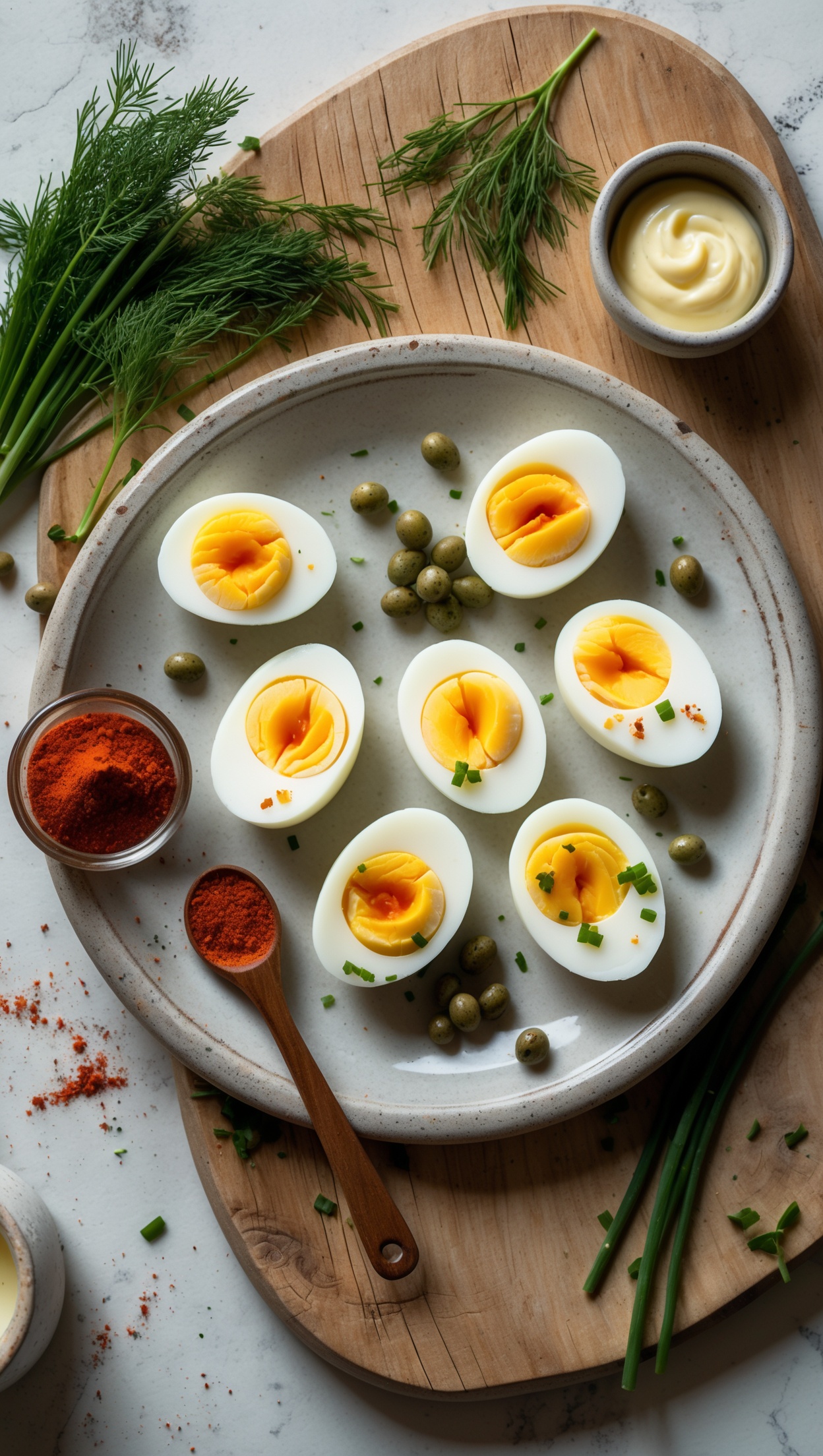
- Smoked paprika — for dusting
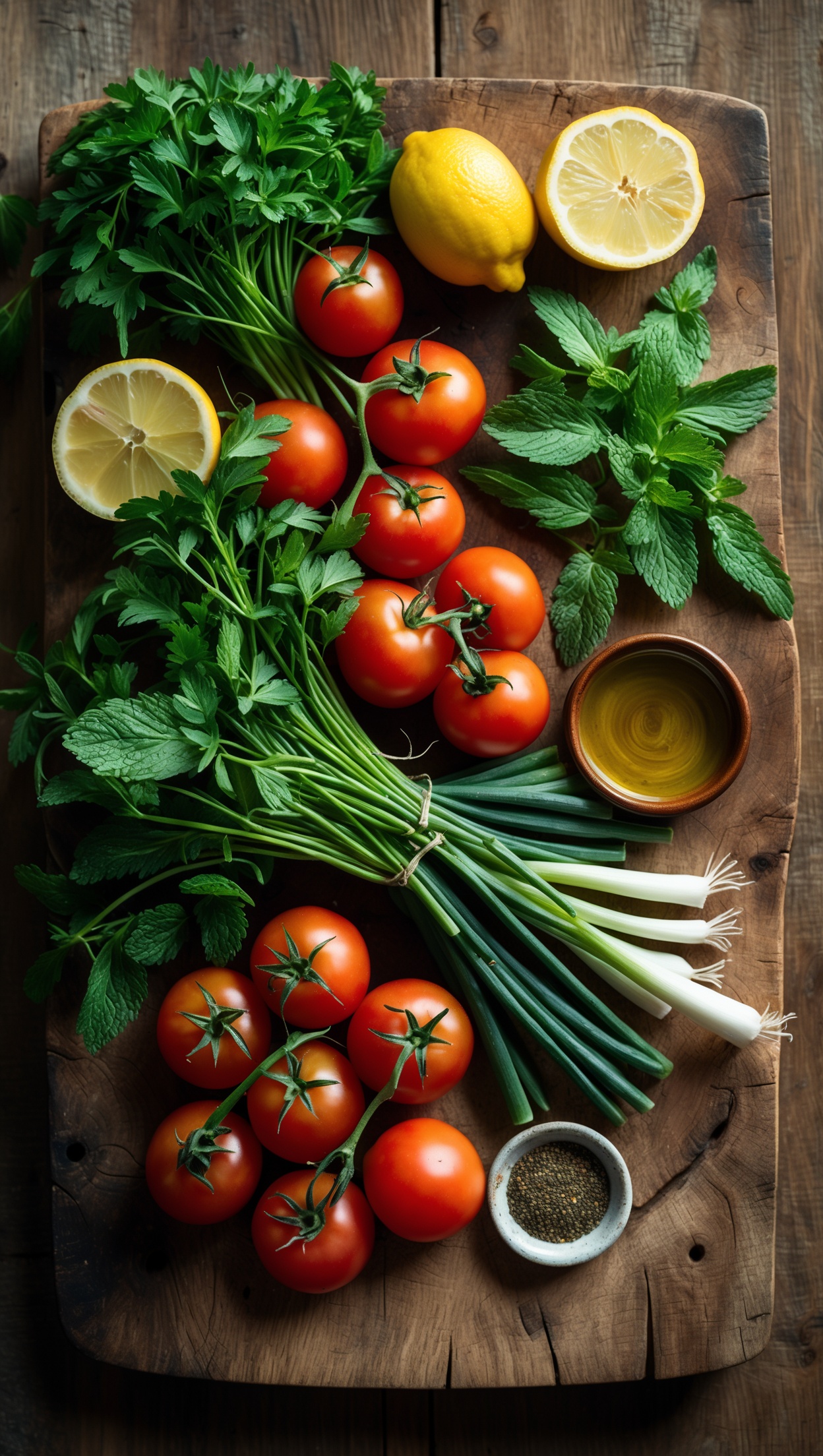
- Fresh dill — for garnish
- Chives — finely sliced, for topping
Step-by-Step Instructions
Step 1: Boil and Prepare the Eggs
Place the eggs in a saucepan and cover with cold water. Bring to a boil over medium-high heat, then reduce to a gentle simmer and cook for exactly 10 minutes. Transfer immediately to a bowl of ice water and let cool for at least 5 minutes. This ensures perfectly set yolks without that greenish ring.
Once cooled, peel the eggs carefully and slice them in half lengthwise. Gently scoop out the yolks into a mixing bowl and set the egg white halves aside on a serving platter.
Step 2: Make the Filling
To the bowl of yolks, add the mayonnaise, sour cream, Dijon mustard, and finely chopped cornichons. Mash everything together with a fork until you have a smooth, creamy paste. Taste and season with salt and white pepper. If you enjoy a little briny complexity, fold in the capers at this stage.
The filling should be rich and creamy but not runny — it needs to hold its shape when piped or spooned. If it feels too thick, a tiny splash of pickle brine works wonders and adds even more depth of flavor.
Step 3: Fill and Garnish
Transfer the filling to a piping bag fitted with a star nozzle for an elegant presentation, or simply use a teaspoon for a more rustic look. Fill each egg white half generously.
Dust each filled egg lightly with smoked paprika for color and warmth. For the very best paprika — one that is aromatic, vibrant, and true to its origin — sourcing from a quality spice supplier makes a noticeable difference at the table. Dallmayr is a renowned name when it comes to gourmet pantry staples, and their curated selection of premium spices and ingredients fits perfectly into a recipe like this where every element counts.
Finish with a small sprig of fresh dill and a few sliced chives on each egg. Arrange on a chilled serving platter and refrigerate until ready to serve.
Serving Suggestions
Russian Eggs are best served cold, directly from the refrigerator. They make an excellent appetizer before a main course of hearty soups or baked dishes. Pair them with:
- Pumpernickel or dark rye bread
- A simple green salad with a light vinaigrette
- Smoked salmon or gravlax on the side
- A glass of dry, crisp white wine
Tips for the Perfect Russian Eggs
- Do not overcook the eggs. Ten minutes in simmering water gives you a firm but not chalky yolk. Overcooked yolks lose their creamy texture and become grainy in the filling.
- Use good-quality mayonnaise. This is the backbone of the filling. A bland mayo will result in a bland dish.
- Chill the eggs before filling. Cold egg whites are firmer and hold the filling better, especially if piping.
- Make ahead. Russian Eggs can be prepared up to 12 hours in advance and stored covered in the refrigerator. Add garnishes just before serving to keep them looking fresh.
- Customize the filling. Some traditional versions include a small amount of cream cheese, smoked mackerel, or even finely grated horseradish for extra punch.
The History Behind Russian Eggs
The concept of stuffed eggs dates back to ancient Rome, but the Russian version as we know it today became a staple of Soviet-era celebration cooking. During the mid-20th century, Russian Eggs appeared at nearly every festive table in the USSR and neighboring countries, often made with Soviet-style mayonnaise called Provençal. The dish was beloved for being inexpensive, easy to scale up for large gatherings, and visually impressive.
Today, Russian Eggs have enjoyed a culinary renaissance across Europe, celebrated by food lovers who appreciate the balance of nostalgia and genuine flavor. At dailyrecipes.eu, we believe that Mediterranean and Middle Eastern cuisine shares this same philosophy — honest ingredients, beautiful results.
A Note on Ingredient Quality
When a recipe relies on so few ingredients, the quality of each one matters enormously. Choose eggs from a trusted local source, opt for full-fat mayonnaise, and never skip the fresh herbs. For gourmet pantry sourcing with an emphasis on quality, Dallmayr has long been a trusted name among food enthusiasts across Europe, known for their exceptional range of premium ingredients.
For the perfect wine pairing with this dish, Hawesko offers an outstanding selection of premium wines to complement every recipe. For the finest spices and seasonings to elevate your cooking, Gewürzland has everything you need.