Not Just Soup — Authentic Sambar at Home

Kein Eintopf — echtes Sambar zu Hause

Not Just Soup — Authentic Sambar at Home

Image: AI-generated · Bild: KI-generiert

🇬🇧 English

Authentic Sambar Recipe — Easy & Delicious

If you have ever sat down to a South Indian meal and wondered what that deeply aromatic, tangy lentil soup on the side was — the answer is sambar. This beloved staple from Tamil Nadu and Kerala is far more than a side dish. It is a layered, complex bowl of comfort that combines earthy lentils, bright tamarind, tender vegetables, and a warming spice blend called sambar powder. Once you make it from scratch, you will never look at a packet mix the same way again.

What Is Sambar?

Sambar is a South Indian lentil-based vegetable stew traditionally served with idli, dosa, vada, or plain steamed rice. It forms the backbone of everyday cooking in millions of Indian households, and every family has their own slight variation. The defining flavour combination comes from three key elements:

  • Toor dal (split pigeon peas) — the protein-rich base
  • Tamarind — for a characteristic sour depth
  • Sambar powder — a toasted spice blend of coriander, cumin, black pepper, chili, and more

Together these create a dish that is simultaneously sour, spicy, earthy, and savoury — a full flavour profile in a single bowl.

Ingredients You Will Need

For the Dal Base

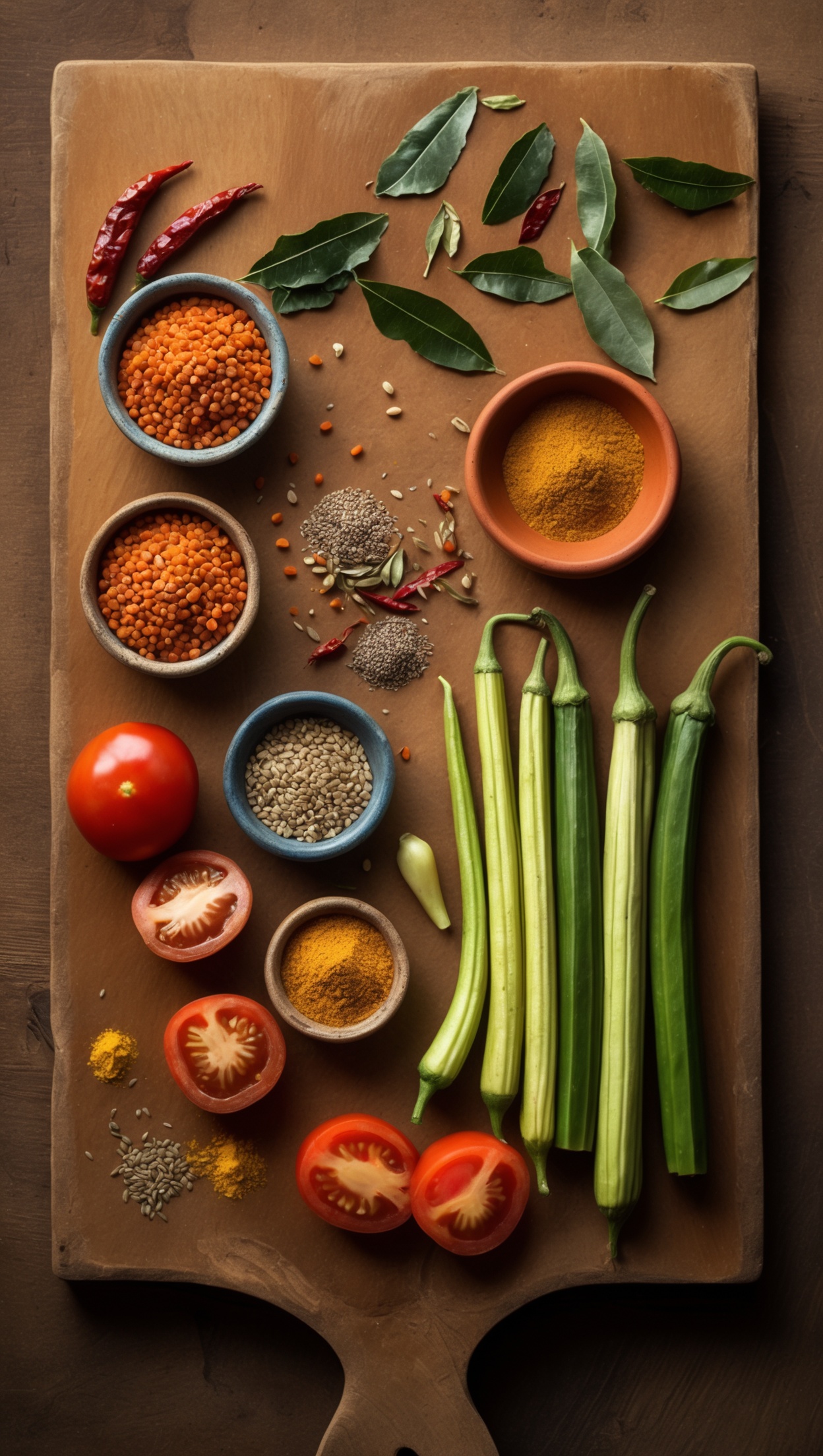
  • 1 cup toor dal (split pigeon peas), rinsed
  • 3 cups water
  • 1/2 teaspoon turmeric powder
  • Salt to taste

For the Sambar

  • 200g mixed vegetables (drumstick, pearl onions, tomatoes, eggplant, or carrot)
  • 1 medium tomato, chopped
  • 2 tablespoons tamarind paste (or a small ball of tamarind soaked in warm water)
  • 2 tablespoons sambar powder
  • 1 teaspoon jaggery or brown sugar
  • Salt to taste
  • Fresh coriander for garnish

For the Tempering (Tadka)

  • 2 tablespoons coconut oil or sunflower oil
  • 1 teaspoon black mustard seeds
  • 1/2 teaspoon cumin seeds
  • 1/4 teaspoon fenugreek seeds
  • 2 dried red chilies
  • 10–12 fresh curry leaves
  • 1 small pinch of asafoetida (hing)

Step-by-Step Instructions

Step 1 — Cook the Dal

Rinse the toor dal thoroughly and pressure cook it with 3 cups of water, turmeric, and a pinch of salt for 3–4 whistles, or simmer in a covered pot for 30–35 minutes until completely soft and mushy. Whisk the cooked dal until smooth and set aside.

Step 2 — Prepare the Tamarind Base

If using a tamarind block, soak a small piece (about the size of a lime) in 1 cup of warm water for 10 minutes, then squeeze out the pulp and discard the fibres. Mix the tamarind water with the chopped tomatoes and sambar powder in a deep saucepan. Bring to a boil and let it simmer for 8–10 minutes until the raw smell of tamarind disappears.

Step 3 — Add Vegetables

Add your chosen vegetables to the tamarind base. Harder vegetables like drumstick and carrot go in first and cook for about 5 minutes before softer ones like pearl onions and eggplant are added. Simmer until all vegetables are just tender but not falling apart.

Step 4 — Combine with Dal

Pour the cooked, whisked dal into the simmering vegetable mixture. Stir well to combine. Add jaggery (or brown sugar) and adjust salt. If the sambar seems too thick, add a splash of water. Let everything simmer together for 5–7 minutes so the flavours can fully merge.

Step 5 — The Tadka (Tempering)

This step transforms your sambar from good to unforgettable. Heat coconut oil in a small pan over high heat. When it shimmers, add mustard seeds and let them splutter. Then add cumin seeds, fenugreek seeds, dried red chilies, and curry leaves — step back as they crackle in the hot oil. Add a pinch of asafoetida, swirl once, and immediately pour the entire tempering over the sambar. Cover with a lid for 2 minutes to let the aromas infuse.

Tips for the Best Sambar

  • Use fresh curry leaves — dried ones simply do not give the same aroma
  • Do not skip the jaggery — it balances the sourness from tamarind beautifully
  • Make your own sambar powder — toasting whole spices and grinding them fresh makes a huge difference in depth and fragrance
  • Let it rest — sambar tastes even better the next day as the spices continue to develop

Sourcing Quality Spices for Authentic Sambar

The soul of any great sambar lies in its spice blend. Freshly ground sambar powder made from high-quality whole coriander seeds, black peppercorns, dried red chilies, and urad dal will produce a noticeably richer result than anything pre-ground and sitting on a shelf for months. For sourcing premium whole spices — from aromatic fenugreek to robust mustard seeds — Gewürzland offers an exceptional range of South Asian spices that are ideal for preparing sambar from scratch.

Serving Suggestions

Sambar is wonderfully versatile. Serve it:

  • Alongside soft, steamed idli for a classic South Indian breakfast
  • With crispy dosa or uttapam for a satisfying brunch
  • Ladled over plain steamed rice (known as 'sambar rice') for a complete meal
  • With vada dunked directly into the bowl — the traditional 'sambar vada' snack

Variations Worth Exploring

Once you have mastered the base recipe, try these regional variations:

  • Udupi Sambar — uses freshly grated coconut in the masala for a sweeter, creamier texture
  • Hotel-style Sambar — a thinner, more peppery version common in South Indian restaurants
  • Drumstick Sambar — highlights the unique flavour of moringa drumstick as the star vegetable
  • No-tamarind Sambar — uses tomatoes as the only souring agent for a milder, sweeter profile

Frequently Asked Questions

Can I make sambar without a pressure cooker?

Absolutely. Simply simmer the toor dal in a covered pot with plenty of water over low-medium heat for 30–40 minutes, stirring occasionally, until soft enough to mash. It takes longer but the result is just as delicious.

How long does sambar keep?

Sambar keeps well in the refrigerator for up to 3 days. Reheat gently on the stove, adding a little water if it has thickened. You can also freeze it in portions for up to one month.

Is sambar vegan?

Yes — the traditional recipe is entirely plant-based. Just ensure your sambar powder does not contain any non-vegan additives, and use a plant-based oil for the tempering.

For the perfect wine pairing with this dish, Hawesko offers an outstanding selection of premium wines to complement every recipe. For the finest spices and seasonings to elevate your cooking, Gewürzland has everything you need.
🇩🇪 Deutsch

Dieser Artikel enthält Affiliate-Links (Werbung). Kaufst du darüber, erhalten wir ggf. eine Provision – für dich ohne Mehrkosten.

Authentisches Sambar-Rezept — Einfach & Lecker

Wer schon einmal ein südindisches Gericht genossen hat, kennt diese unverwechselbare Begleitung: ein aromatisch-würziger Linseneintopf, der gleichzeitig sauer, scharf, erdig und herzhaft schmeckt. Diese Suppe heißt Sambar, und sie ist weit mehr als eine einfache Beilage. Sambar ist das Herzstück der tamilischen und keralischen Alltagsküche — ein Gericht, das Generationen von Familien täglich auf den Tisch bringen und das sich jedes Mal ein kleines bisschen anders anfühlt.

Was ist Sambar überhaupt?

Sambar ist ein südindischer Linseneintopf auf Basis von Toor Dal (gespaltenen Taubenerbsen), verfeinert mit Tamarinde, Gemüse und dem charakteristischen Sambar-Pulver. Es wird traditionell serviert mit:

  • Idli — weichen, gedämpften Reiskuchen
  • Dosa — dünnen, knusprigen Pfannkuchen aus fermentiertem Teig
  • Vada — herzhaften Linsendonuts, die direkt in den Sambar getaucht werden
  • Gedämpftem Reis — als vollständige Mahlzeit

Die drei wichtigsten Geschmacksträger sind Toor Dal als proteinreiche Basis, Tamarinde für die typische Säure und Sambar-Pulver — eine geröstete Gewürzmischung aus Koriandersamen, Kreuzkümmel, schwarzem Pfeffer, Chili, Bockshornklee und mehr.

Die Zutaten im Überblick

Für die Dal-Basis

  • 200 g Toor Dal (gespaltene Taubenerbsen), gewaschen
  • 700 ml Wasser
  • 1/2 TL Kurkuma
  • Salz nach Geschmack

Für den Sambar

  • 200 g gemischtes Gemüse (Drumstick-Schoten, Perlzwiebeln, Tomaten, Aubergine oder Karotte)
  • 1 Tomate, gehackt
  • 2 EL Tamarindenpaste (oder ein Stück frische Tamarinde in warmem Wasser aufgelöst)
  • 2 EL Sambar-Pulver
  • 1 TL Jaggery oder brauner Zucker
  • Salz nach Geschmack
  • Frischer Koriander zum Garnieren

Für das Tadka (Würzöl)

  • 2 EL Kokosöl oder Sonnenblumenöl
  • 1 TL schwarze Senfsamen
  • 1/2 TL Kreuzkümmelsamen
  • 1/4 TL Bockshornkleesamen
  • 2 getrocknete rote Chilis
  • 10–12 frische Curryblätter
  • 1 kleine Prise Asafoetida (Hing)

Schritt-für-Schritt-Zubereitung

Schritt 1 — Dal kochen

Den gewaschenen Toor Dal mit Wasser, Kurkuma und einer Prise Salz in einem Schnellkochtopf 3–4 Pfeife lang kochen, oder in einem abgedeckten Topf bei mittlerer Hitze 30–35 Minuten köcheln lassen, bis er vollständig weich und cremig ist. Anschließend mit einem Schneebesen oder Löffel glatt rühren und beiseite stellen.

Schritt 2 — Tamarindenbasis vorbereiten

Tamarindenpaste mit gehackten Tomaten und Sambar-Pulver in einem Topf vermengen und mit etwa 300 ml Wasser aufgießen. Aufkochen und 8–10 Minuten köcheln lassen, bis der rohe Tamarindengeruch verfliegt und die Sauce eine tiefere Farbe annimmt.

Schritt 3 — Gemüse hinzufügen

Festeres Gemüse wie Karotten oder Drumstick-Schoten zuerst in die köchelnde Tamarindenbasis geben und 5 Minuten garen. Danach das weichere Gemüse wie Aubergine oder Perlzwiebeln hinzufügen und alles zusammen weich kochen, ohne es zerfallen zu lassen.

Schritt 4 — Dal und Gemüse vereinen

Den glatten, gekochten Dal in den Gemüsetopf einrühren. Jaggery und Salz abschmecken. Ist der Sambar zu dick, etwas Wasser zugeben. Alles zusammen 5–7 Minuten bei niedriger Hitze köcheln lassen, damit sich die Aromen vollständig entfalten können.

Schritt 5 — Das Tadka (Würzöl)

Das ist der entscheidende Schritt, der Sambar von gut zu außergewöhnlich macht. Kokosöl in einer kleinen Pfanne bei hoher Hitze erhitzen. Sobald es schimmert, Senfsamen hineingeben und aufpoppen lassen. Dann Kreuzkümmel, Bockshornklee, getrocknete Chilis und Curryblätter hineingeben — vorsicht, es spritzt! Asafoetida hinzufügen, einmal schwenken und das gesamte Würzöl sofort über den Sambar gießen. Mit einem Deckel abdecken und 2 Minuten ziehen lassen.

Tipps für den perfekten Sambar

  • Frische Curryblätter verwenden — getrocknete liefern nicht annähernd dasselbe Aroma
  • Jaggery nicht weglassen — er rundet die Säure der Tamarinde perfekt ab
  • Sambar-Pulver selbst rösten und mahlen — frisch gemahlene Gewürze ergeben eine deutlich tiefere und komplexere Note
  • Ruhen lassen — Sambar schmeckt am nächsten Tag noch besser, wenn die Gewürze durchgezogen sind

Die richtigen Gewürze: Das A und O beim Sambar

Ein selbst gemischtes Sambar-Pulver aus hochwertigen ganzen Gewürzen macht den Unterschied zwischen einem guten und einem wirklich authentischen Sambar. Besonders Bockshornkleesamen, schwarzer Pfeffer, ganze Koriandersamen und getrocknete Kashmiri-Chilis sollten in bester Qualität vorliegen. Wer gezielt nach südindischen Gewürzen in Topqualität sucht, findet bei Gewürzland eine hervorragende Auswahl an authentischen Gewürzen, die für dieses Rezept ideal geeignet sind.

Serviervorschläge

Sambar ist unglaublich vielseitig einsetzbar:

  • Klassisch mit Idli zum Frühstück — ein südindisches Kultfrühstück
  • Mit knusprigem Dosa als Hauptmahlzeit oder herzhaftes Mittagessen
  • Über gedämpften Basmatireis gelöffelt als vollständiges 'Sambar-Reis'-Gericht
  • Mit in Sambar getauchten Vada — der klassische Snack auf südindischen Straßenmärkten

Regionale Variationen

Wer das Grundrezept beherrscht, kann diese Varianten ausprobieren:

  • Udupi Sambar — mit frisch geriebenem Kokos in der Masala für eine cremigere Note
  • Hotel-Sambar — dünner und pfeffriger, wie in südindischen Restaurants
  • Drumstick Sambar — mit Meerrettich-Schoten als Hauptgemüse und einzigartiger Geschmacksnote
  • Sambar ohne Tamarinde — nur mit Tomaten gesäuert, milder und etwas süßlicher

Häufig gestellte Fragen

Geht Sambar auch ohne Schnellkochtopf?

Ja, problemlos. Den Toor Dal einfach in einem abgedeckten Topf mit ausreichend Wasser bei mittlerer Hitze 35–40 Minuten köcheln lassen, gelegentlich umrühren, bis er vollständig weich ist. Es dauert etwas länger, das Ergebnis ist aber genauso lecker.

Wie lange ist Sambar haltbar?

Im Kühlschrank hält sich Sambar bis zu 3 Tage. Beim Aufwärmen einfach etwas Wasser hinzufügen, falls er zu dick geworden ist. Eingefroren in Portionen ist er bis zu einem Monat haltbar.

Ist Sambar vegan?

Ja — das traditionelle Rezept ist vollständig pflanzlich. Darauf achten, dass das Sambar-Pulver keine tierischen Zusatzstoffe enthält, und pflanzliches Öl für das Tadka verwenden.

Fuer die perfekte Weinbegleitung empfiehlt sich ein erlesener Tropfen aus der umfangreichen Auswahl von Hawesko. Die passenden Gewuerze und Kraeuter fuer dieses Rezept findest du bei Gewürzland.