Chicken Curry Too Bland? Fix It Singapore Style

Hähnchencurry zu fade? So geht Singapore Style

Chicken Curry Too Bland? Fix It Singapore Style

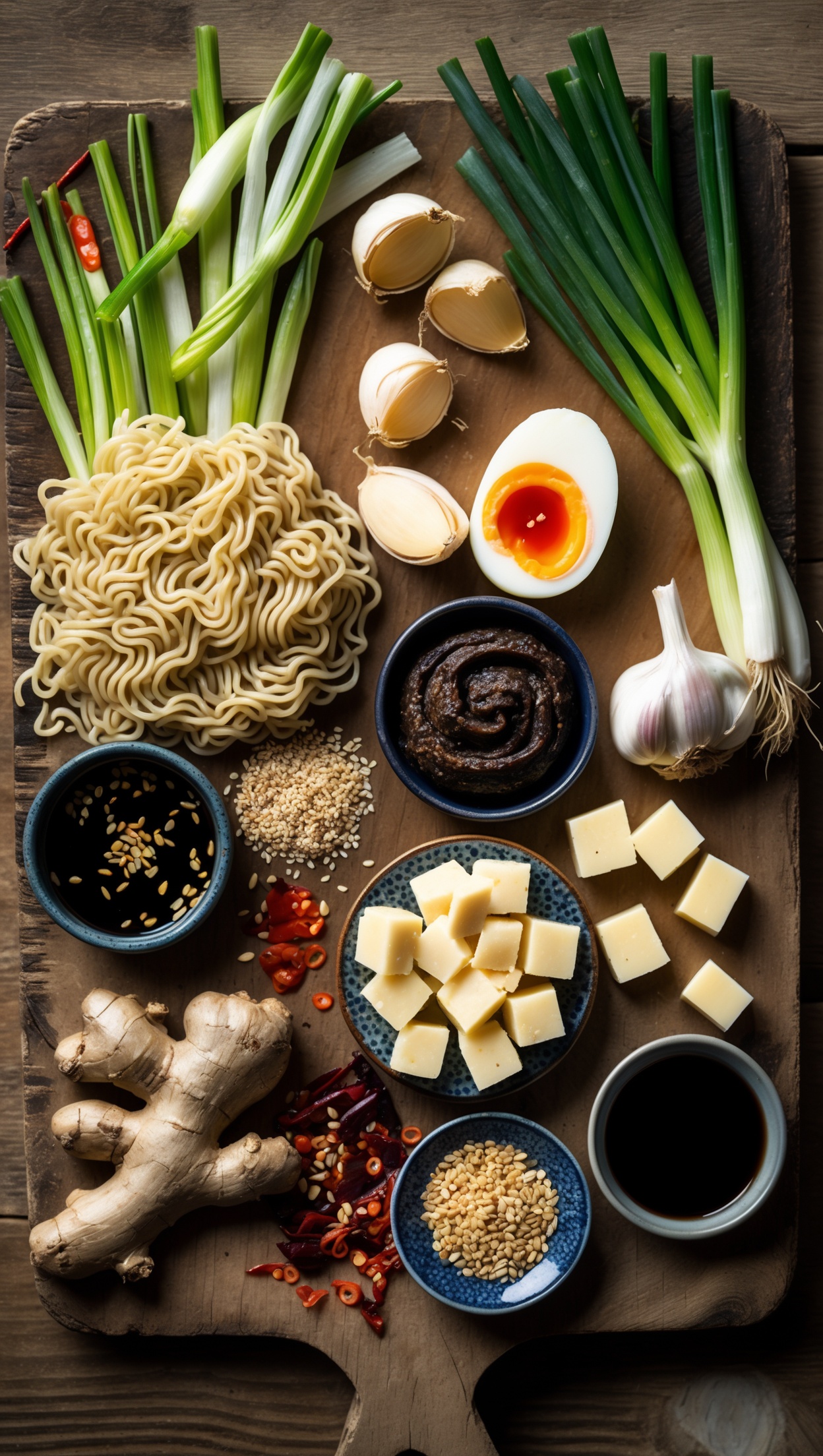
Image: AI-generated · Bild: KI-generiert

🇬🇧 English

Authentic Singapore Style Chicken Curry — Rich, Aromatic & Surprisingly Easy

Singapore is a city that takes its curry very seriously. Walk down any hawker centre alley and you will be hit by clouds of turmeric-laced steam, the sizzle of mustard seeds in hot oil, and the irresistible perfume of fresh curry leaves frying in a wok. This is not a watered-down weeknight shortcut — this is the real deal. A Singapore style chicken curry built on a fragrant spice paste, slow-cooked in rich coconut milk, and finished with a punch of heat that keeps you reaching for just one more spoonful.

The good news? Once you understand the building blocks, this dish is completely achievable in a home kitchen. Let's break it down.

What Makes Singapore Chicken Curry Different?

Singapore cuisine sits at the crossroads of Malay, Chinese, Indian and Peranakan traditions. The chicken curry reflects this beautifully — it borrows the rempah (spice paste) technique from Malay cooking, the coconut milk base from South Indian influence, and a measured heat level that balances complexity without overpowering. The result is a curry that is:

  • Deep golden in colour from fresh turmeric and quality curry powder
  • Fragrant with lemongrass, galangal and kaffir lime leaves
  • Rich but not heavy, thanks to a balance of coconut milk and water
  • Mildly spicy with a slow-building warmth from dried chilies

Ingredients You Will Need

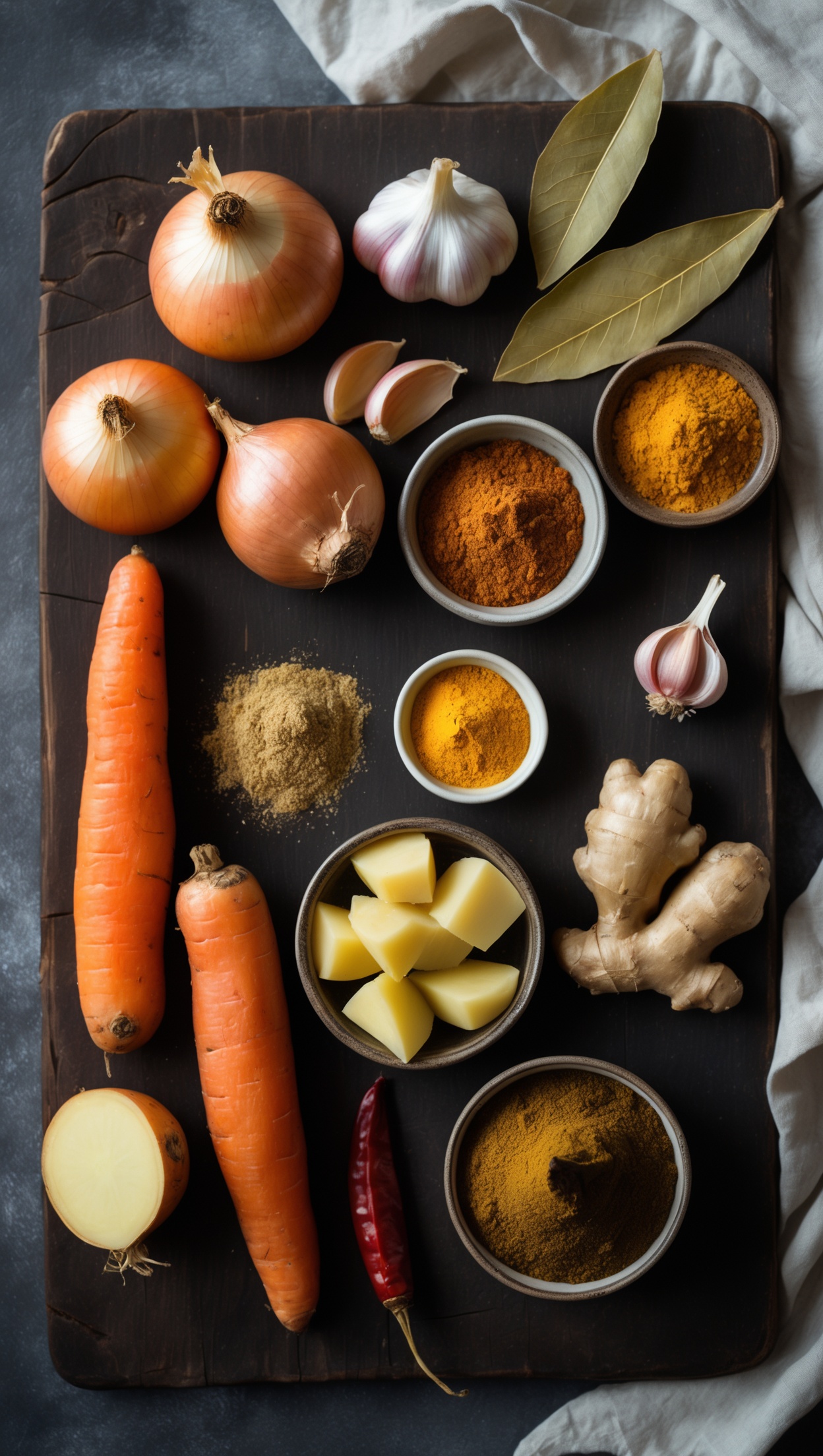
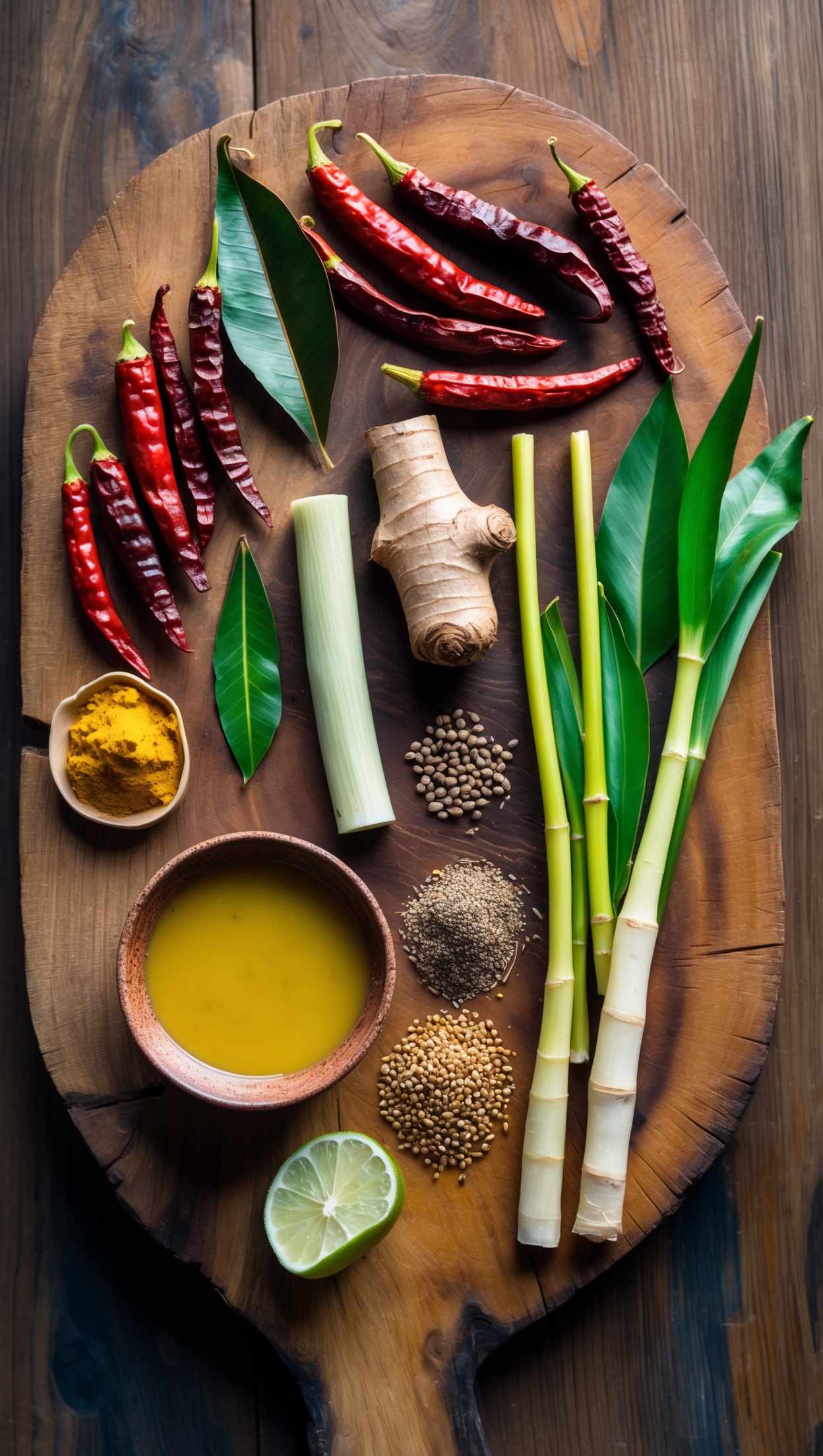
For the Rempah (Spice Paste)

  • 6 dried red chilies, soaked and drained
  • 4 shallots, roughly chopped
  • 4 garlic cloves
  • 2 stalks lemongrass, white part only
  • 1 thumb-sized piece of fresh galangal (or ginger)
  • 1 teaspoon fresh turmeric (or ½ tsp ground)
  • 1 tablespoon dried shrimp paste (belacan), toasted

For the Curry

  • 800 g bone-in chicken pieces
  • 2 tablespoons Singapore-style curry powder (meat variety)
  • 400 ml full-fat coconut milk
  • 200 ml water or chicken stock
  • 2 medium potatoes, cut into chunks
  • 1 sprig fresh curry leaves
  • 2 kaffir lime leaves
  • 1 cinnamon stick
  • 3 cardamom pods, lightly crushed
  • 2 star anise
  • Salt to taste
  • Neutral oil (sunflower or vegetable)

A note on curry powder: The quality of your curry powder is the single biggest factor in the final flavour of this dish. For an authentically layered result, source a premium Singapore or South Indian meat curry powder blend. The spice house Gewürzland stocks an excellent range of Asian spice blends and single-origin spices, so you can even build your own blend from scratch if you prefer.

Step-by-Step Instructions

Step 1 — Make the Rempah

Place all the rempah ingredients into a food processor or high-powered blender and blitz to a smooth paste. Add a small splash of water if needed to help it blend. The paste should be vibrant orange-red and deeply aromatic.

Step 2 — Fry the Paste

Heat 3 tablespoons of oil in a heavy-based pot or wok over medium heat. Add the cinnamon stick, cardamom pods and star anise and fry for 30 seconds until fragrant. Add the rempah paste and fry, stirring constantly, for 8 to 10 minutes until the paste darkens slightly, becomes very fragrant, and the oil begins to separate at the edges. This step — called tumis — is non-negotiable. It is what builds the flavour foundation of the entire dish.

Step 3 — Add Curry Powder

Mix the curry powder with 2 tablespoons of water to form a thick slurry. Add it to the fried paste and stir well. Cook for another 2 minutes until the raw smell of the powder has cooked off.

Step 4 — Brown the Chicken

Add the chicken pieces and stir to coat them fully in the spice paste. Cook for 5 minutes, turning occasionally, until the chicken is lightly browned on the outside and sealed.

Step 5 — Add Liquid and Simmer

Pour in the coconut milk and water or stock. Add the curry leaves and kaffir lime leaves. Stir to combine, then bring to a gentle boil. Add the potato chunks, reduce the heat to low and simmer uncovered for 25 to 30 minutes, stirring occasionally, until the chicken is cooked through and the potatoes are tender. The sauce should thicken to a rich, clingy consistency.

Step 6 — Season and Serve

Taste and adjust salt. Remove the whole spices if preferred. Serve hot with steamed jasmine rice, roti prata, or crusty white bread to soak up every drop of that incredible gravy.

Tips for the Best Results

  • Use bone-in pieces: Bones add flavour and keep the meat moist during the long simmer. Thighs and drumsticks work best.
  • Don't rush the tumis: Frying the paste long enough is the single most important technique in this recipe. Underfrying leads to a raw, gritty curry.
  • Fresh curry leaves make a difference: They are available in many Asian supermarkets and are worth hunting down. Dried ones work but are noticeably less fragrant.
  • Make it ahead: Like most curries, this tastes significantly better the next day after the flavours have had time to meld overnight.
  • Adjust the heat: Reduce or increase the dried chilies in the rempah depending on your preferred spice level. For a milder version, deseed the chilies before soaking.

What to Serve With Singapore Chicken Curry

The classic pairing in Singapore is steamed jasmine rice — simple, fluffy and perfect for absorbing the sauce. For a more indulgent experience, serve with roti prata, a flaky fried flatbread you tear and dip directly into the curry. Nasi lemak (coconut rice) is another wonderful option if you want to lean fully into the Malay food tradition.

A cooling cucumber salad or a simple achar (pickled vegetables) alongside cuts beautifully through the richness of the coconut gravy and refreshes the palate between bites.

Storage & Reheating

Store leftover curry in an airtight container in the refrigerator for up to 3 days. Reheat gently on the stovetop over low heat, adding a splash of water or coconut milk if the sauce has thickened too much. This curry also freezes well for up to 2 months — freeze without the potatoes if possible, as they tend to become grainy after freezing.

For the perfect wine pairing with this dish, Hawesko offers an outstanding selection of premium wines to complement every recipe. For the finest spices and seasonings to elevate your cooking, Gewürzland has everything you need.
🇩🇪 Deutsch

Dieser Artikel enthält Affiliate-Links (Werbung). Kaufst du darüber, erhalten wir ggf. eine Provision – für dich ohne Mehrkosten.

Authentisches Hähnchencurry Singapore Style — Würzig, Cremig & Einfach Gemacht

Singapur nimmt sein Curry ernst — sehr ernst. In jedem Hawker Centre steigt dir bereits von Weitem der Duft von Kurkuma, frischen Curryblättern und gerösteten Gewürzen entgegen. Dieses Rezept bringt genau diesen Geist in deine Küche: ein Singapore Style Hähnchencurry, das auf einer aromatischen Gewürzpaste basiert, in satter Kokosmilch köchelt und mit einer angenehmen Schärfe abschließt, die dich löffelweise weitermachen lässt.

Das Beste daran? Sobald du die Grundtechnik verstanden hast, ist dieses Gericht in jeder Haushaltsküche problemlos umsetzbar.

Was macht Singapore Curry so besonders?

Die Küche Singapurs vereint malaiische, chinesische, indische und Peranakan-Einflüsse. Das Hähnchencurry ist ein perfektes Beispiel dafür: Die Rempah-Technik (Gewürzpaste) stammt aus der malaiischen Tradition, die Kokosmilchbasis aus der südindischen Küche. Das Ergebnis ist ein Curry, das:

  • Satt goldgelb leuchtet dank frischer Kurkuma und hochwertigem Currypulver
  • Mit Zitronengras, Galgant und Kaffirlimettenblättern duftet
  • Reich, aber nicht schwer ist — dank der ausgewogenen Kombination aus Kokosmilch und Brühe
  • Angenehm scharf ist, mit einer langsam aufbauenden Wärme durch getrocknete Chilies

Zutaten für das Singapore Hähnchencurry

Für die Rempah (Gewürzpaste)

  • 6 getrocknete rote Chilies, eingeweicht und abgetropft
  • 4 Schalotten, grob gehackt
  • 4 Knoblauchzehen
  • 2 Stängel Zitronengras, nur der weiße Teil
  • 1 daumengroßes Stück frischer Galgant (oder Ingwer)
  • 1 TL frische Kurkuma (oder ½ TL gemahlen)
  • 1 EL getrocknete Garnelenpa­ste (Belacan), geröstet

Für das Curry

  • 800 g Hähnchenstücke mit Knochen
  • 2 EL Singapore-Currypulver (Fleischvariante)
  • 400 ml Kokosmilch (vollfett)
  • 200 ml Wasser oder Hühnerbrühe
  • 2 mittelgroße Kartoffeln, in Stücke geschnitten
  • 1 Zweig frische Curryblätter
  • 2 Kaffirlimettenblätter
  • 1 Zimtstange
  • 3 Kardamomkapseln, leicht angedrückt
  • 2 Sternanis
  • Salz nach Geschmack
  • Neutrales Pflanzenöl

Hinweis zum Currypulver: Die Qualität des Currypulvers entscheidet maßgeblich über den Geschmack des gesamten Gerichts. Für ein authentisch vielschichtiges Aroma lohnt es sich, ein hochwertiges Singapore- oder südindisches Currypulver zu verwenden. Bei Gewürzland findest du eine hervorragende Auswahl an asiatischen Gewürzmischungen und Einzelgewürzen — ideal, wenn du deine eigene Mischung zusammenstellen möchtest.

Schritt-für-Schritt-Anleitung

Schritt 1 — Rempah herstellen

Alle Zutaten für die Rempah in einem Mixer oder einer Küchenmaschine zu einer glatten Paste verarbeiten. Bei Bedarf einen Schuss Wasser hinzufügen. Die Paste sollte leuchtend orange-rot und intensiv aromatisch sein.

Schritt 2 — Paste anbraten (Tumis)

3 EL Öl in einem schweren Topf oder Wok bei mittlerer Hitze erhitzen. Zimtstange, Kardamom und Sternanis hineingeben und 30 Sekunden anrösten. Die Rempah-Paste zugeben und unter ständigem Rühren 8 bis 10 Minuten anbraten, bis sie leicht dunkler wird, intensiv duftet und sich Öl am Rand absetzt. Dieser Schritt — der sogenannte Tumis — ist unverzichtbar und bildet das Geschmacksfundament des gesamten Gerichts.

Schritt 3 — Currypulver einrühren

Das Currypulver mit 2 EL Wasser zu einer dickflüssigen Paste anrühren. In den Topf geben und gut unterrühren. Weitere 2 Minuten köcheln, bis der rohe Pulvergeruch verfliegt.

Schritt 4 — Hähnchen anbraten

Die Hähnchenstücke zugeben und gründlich in der Gewürzpaste wenden. 5 Minuten unter gelegentlichem Wenden anbraten, bis das Fleisch außen leicht gebräunt ist.

Schritt 5 — Flüssigkeit hinzufügen und köcheln lassen

Kokosmilch und Wasser oder Brühe angießen. Curryblätter und Kaffirlimettenblätter zugeben, alles verrühren und kurz aufkochen. Kartoffeln einlegen, Hitze reduzieren und das Curry 25 bis 30 Minuten offen köcheln lassen, bis das Hähnchen gar und die Kartoffeln weich sind. Die Sauce sollte sich zu einer sämigen, reichhaltigen Konsistenz eindicken.

Schritt 6 — Abschmecken und servieren

Mit Salz abschmecken. Ganze Gewürze nach Wunsch entfernen. Heiß servieren — am besten mit gedämpftem Jasminreis, Roti Prata oder frischem Weißbrot, um die Sauce vollständig aufzunehmen.

Tipps für das beste Ergebnis

  • Hähnchenstücke mit Knochen verwenden: Knochen geben Geschmack ab und halten das Fleisch beim langen Köcheln saftig. Schenkel und Keulenstücke eignen sich am besten.
  • Den Tumis nicht überstürzen: Die Paste lange genug anzubraten ist der entscheidende Schritt. Zu kurzes Anbraten führt zu einem rohen, körnigen Curry.
  • Frische Curryblätter lohnen sich: In asiatischen Supermärkten erhältlich. Der Unterschied zu getrockneten Blättern ist im Aroma deutlich spürbar.
  • Einen Tag vorher kochen: Wie die meisten Currys schmeckt auch dieses am nächsten Tag noch besser, wenn die Aromen über Nacht durchgezogen sind.
  • Schärfe anpassen: Für eine mildere Version die Chilies vor dem Einweichen entkernen.

Womit servieren?

Die klassische Beilage in Singapur ist gedämpfter Jasminreis — einfach, locker und ideal zum Aufsaugen der Sauce. Für ein noch authentischeres Erlebnis empfiehlt sich Roti Prata, ein knuspriges Fladenbrot, das direkt in das Curry getunkt wird. Auch Nasi Lemak (Kokosreis) passt hervorragend dazu.

Ein kühler Gurkensalat oder ein Achar (eingelegtes Gemüse) als Beilage gleicht die Reichhaltigkeit der Kokosnusssauce wunderbar aus und erfrischt den Gaumen zwischen den einzelnen Bissen.

Aufbewahren & Aufwärmen

Das Curry hält sich in einem luftdichten Behälter bis zu 3 Tage im Kühlschrank. Beim Aufwärmen bei niedriger Hitze auf dem Herd erwärmen und bei Bedarf einen Schuss Wasser oder Kokosmilch hinzufügen. Einfrieren ist bis zu 2 Monate möglich — idealerweise ohne Kartoffeln, da diese nach dem Einfrieren an Konsistenz verlieren.

Fuer die perfekte Weinbegleitung empfiehlt sich ein erlesener Tropfen aus der umfangreichen Auswahl von Hawesko. Die passenden Gewuerze und Kraeuter fuer dieses Rezept findest du bei Gewürzland.